MCSP continues recovery after 2023 tornado

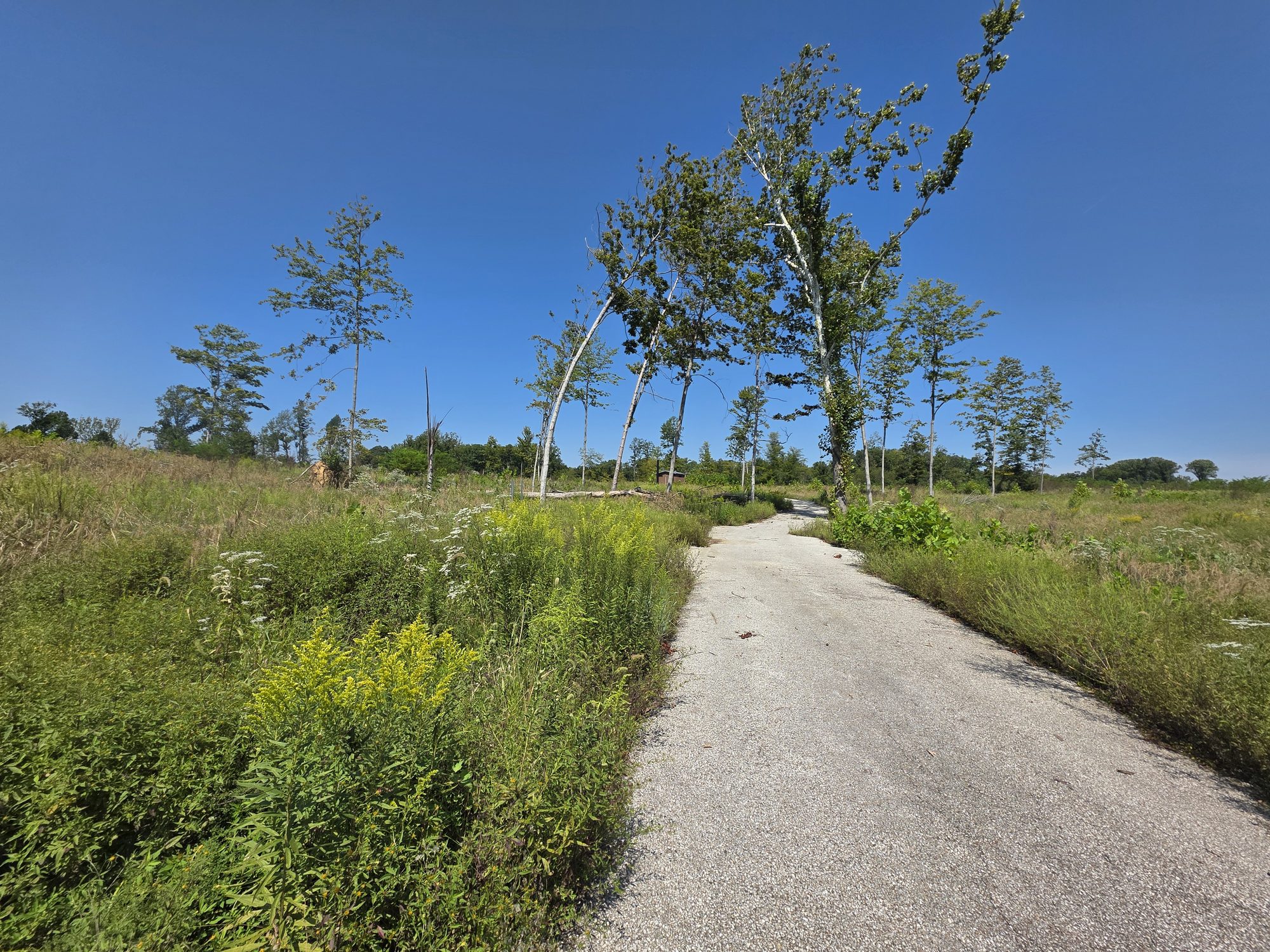
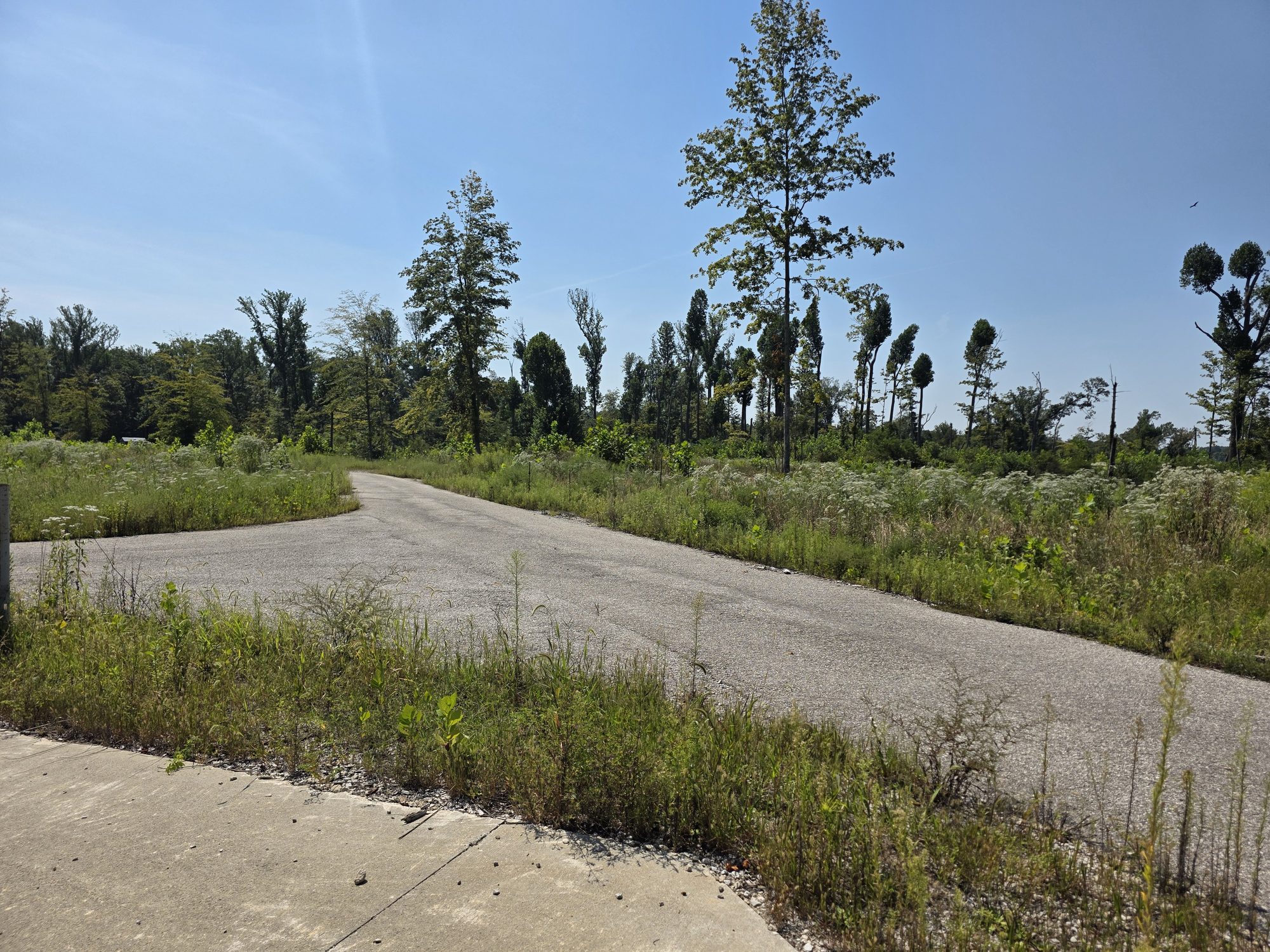
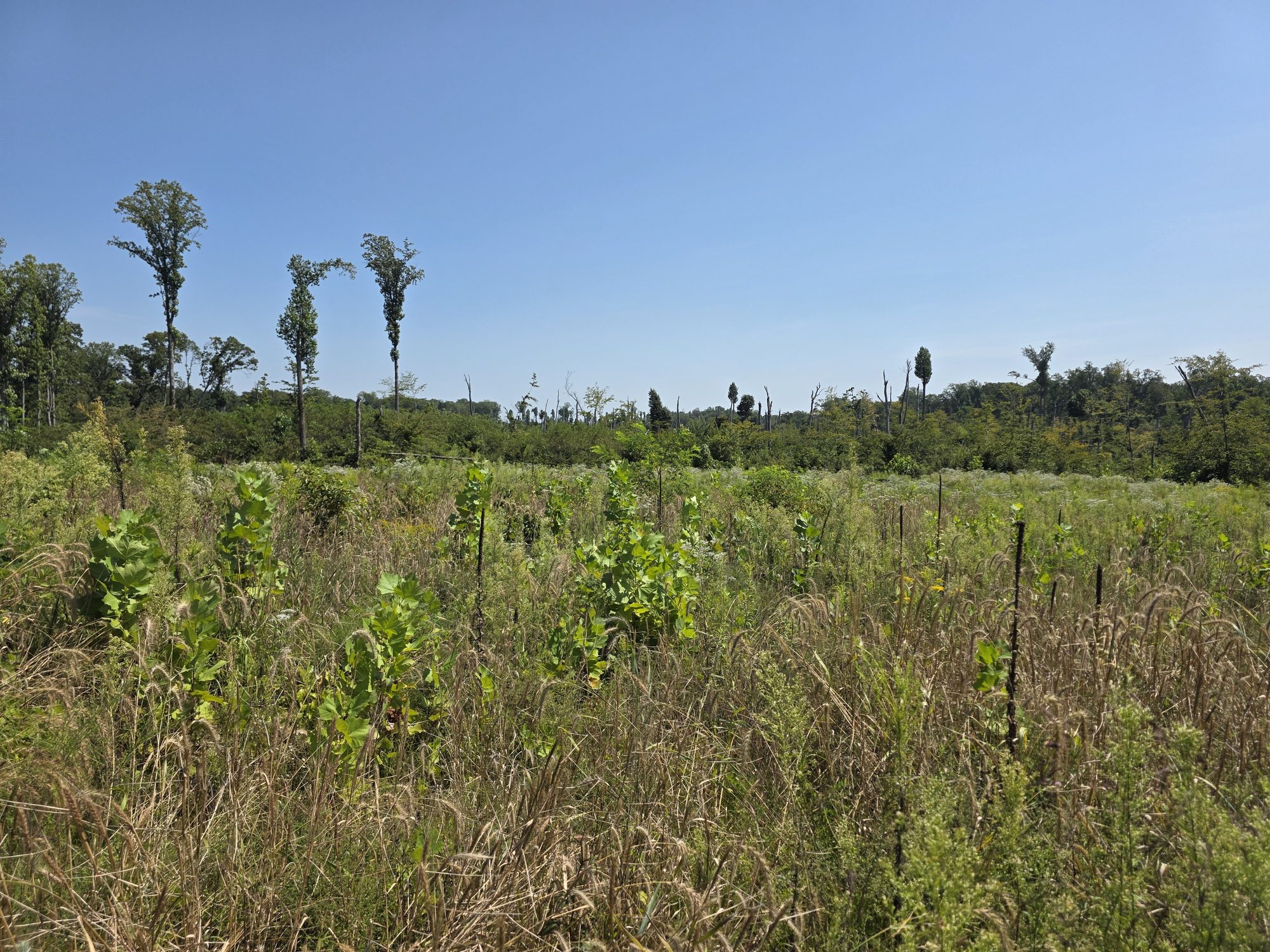
On March 31, 2023, a tornado ripped through McCormick’s Creek State Park (MCSP), leaving 282 acres of uprooted and fallen trees. Some had been shredded down to their trunks and some root balls, once firmly set in the ground, were 10 feet high in the air.
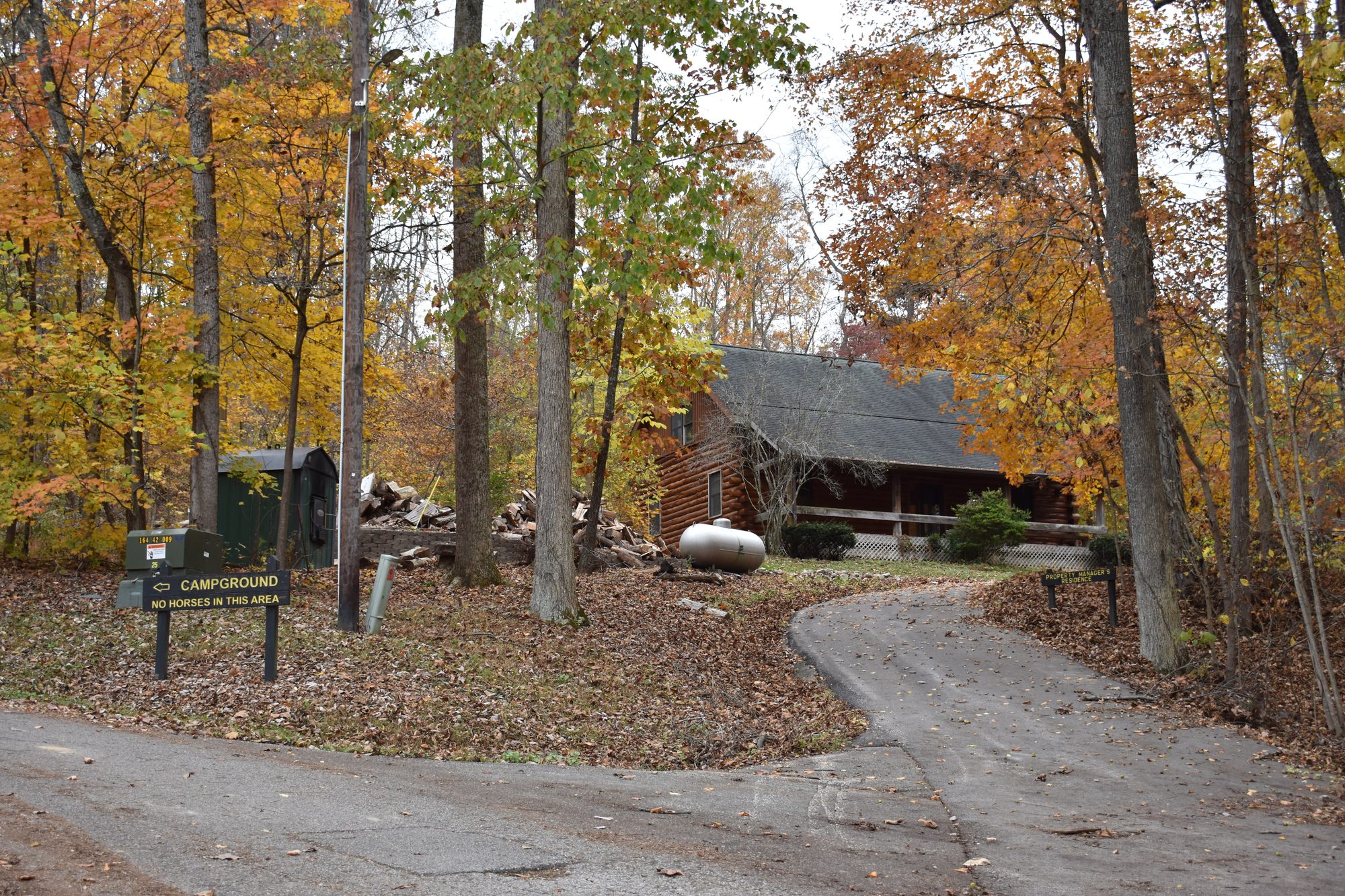
Three years later, the park is still working to recover and rebuild. The EF3 tornado barreled right through the park campground, which had more than 220 sites, killing a couple from Rossville, Indiana. MCSP Interpretive Naturalist Jessica LaHue said it was an unusually warm weekend and about 80 were camping when the tornado began around 11 p.m.
Tornadoes rated three on the Enhanced Fujita scale cause severe damage and bring three-second gusts between 136 and 165 miles per hour, according to the National Weather Service. Peak winds during the park’s tornado reached 153 miles per hour. It had a width of 400 yards and traveled more than four miles, according to the NWS.
Indiana University Earth and Atmospheric Sciences professor Cody Kirkpatrick said winds of that caliber don’t only cause young trees to be uprooted, but it can snap the trunks of hardwood trees.
“It will rip the bark off of trees and sometimes only leave stubs of the really large branches,” Kirkpatrick said. “Even for very old, decades-old trees (it) can shred them down to just the trunks and the stubs of the big branches when the winds are at EF3 category strength.”
In the 30-40 seconds it took the twister to pass through, trees became stacked on top of each other — blocking trails and crumbling pavement — and cabins, utility lines and other buildings were damaged or destroyed.
“When we first saw it, I mean, it was just unrecognizable,” LaHue said. “It was hard to tell where you were even at in the park once you were back there.”
It’s still decades too early for scientists to really see if climate change has caused an increase in tornadic activity, but Kirkpatrick said researchers believe Tornado Alley has shifted eastward in the last 40 to 50 years.
Because the campground and some trails have been closed for over three years, the park has been “extremely” impacted by lower revenue from a decline in visitors, LaHue said. She estimated it would take five years after the campground reopens to recover the loss of revenue.
Ecological impact
To clear some of the salvageable trees from the campground, trails and roads, a timber harvest hauled more than 200 trees off to Spring Mill in Mitchell, IN. The wood was used to cover its 550-foot-long flume.
The profit made from the downed trees helped fund invasive species removal within the state park, LaHue said. The disturbed soil, strong winds and high light from forest canopy loss create conditions ripe for non-native plants to take root and potentially threaten native species.
The main invasive species the park has been fighting against are the tree of heaven, multiflora rose, autumn olive and honeysuckle.
Forests grow in stages through a process called succession. Flattening tornadoes like the one that touched down in MCSP reset that process back to secondary succession, with mature, 100-year-old trees being ripped from the ground.
“The plants that are coming back are the ones that are seeded in the soil layer that have been able to survive 110 plus years,” LaHue said. “Areas that used to be dominated by beech and maple or oak trees now have sycamore and willow trees. The increase in sunlight on the forest floor has also given room for prairie plants and longer-lasting spring ephemerals.”
The change in plant species has supported different bird migrations, with birds such as woodcocks finding plants that support their diets, creating a stopover habitat in the park. However, woodland and barred owls aren’t nesting near the campground and Wolf Cave like usual. Those birds and some bat nesting sites were displaced to other areas in the park.
The 1,961-acre park’s shrunken canopy layer has made some trails hotter, LaHue said. In the shade, hiking conditions are about 20 degrees cooler, and now much of Trail 5, which takes hikers to Wolf Cave, is in full sun.
Some park residents are enjoying the rays. Staff have seen more lizards and skinks because there are more sun basking areas, LaHue said. Most mammals were able to pretty easily relocate, she said, and animals like salamanders and snakes have plenty of debris to hide under.
Recovery timeline
When the twister first wreaked havoc, the priority was clearing the roads enough to get the campers to safety. After, the park closed for a week for evaluation, and the initial goal was to try and reopen the trails, LaHue said. Debris was removed from the campground, but on the trails, the park tried to clear trees from blocking the path or in potentially dangerous spots but left as many trees as they could to fuel the natural decomposition process, which will help the forest regrow, she said.
“I don’t think people realized how [many] metric tons of debris there was, because they had to shred every single tree that wasn’t salvageable that was on the ground as well as grind up all the tree stumps just for us to be able to lay out the campground design,” LaHue said.
In 2024, design for the new campground began and the park started to remove the old buildings, infrastructure and utility lines. 2025 and 2026 have been focused on regrowth, LaHue said.
In September 2026, Gov. Mike Braun and the Indiana Department of Natural Resources released the plans for the park’s new, larger, $25 million campground. The design includes 192 modern campsites, spanning 65 acres. These include “a full hookup to electricity, water, and sewer,” according to a release.
The spots are expected to be larger than the original ones, at about 32 by 40 feet, and accommodate larger RVs.
“A lot of people are concerned that our campground is going to look like RV sites instead of like a campground feel,” LaHue said. “Just know that we tried to save as many trees as possible and it is in our plans to do understory plantation so you’re not going to be able to just see into your neighbor’s site.”
The design also includes 32 primitive sites for tent camping and retains the existing group camps available for rent. Additionally, the project includes a new gatehouse, camp store, three comfort stations and playgrounds near each building.
Construction bids opened Oct. 20 and the campground is expected to open late summer in 2028.
“Our team has worked thoughtfully and carefully to design a new campground that honors the park’s history while creating space for future generations to explore, connect, and make memories,” Indiana State Parks Director Brandt Baughman wrote in the release.
The family and group cabins have been reopened, and Trails 6, 7 and 10, which connected to the original campground, need repairs and to be cleared.
Before the tornado, park visitors were alerted of severe weather through Owen County’s normal sirens and cell phone alerts. LaHue said following the 2023 storm, the park added a siren by the nature center and pool area and has been working to install Wi-Fi.
Kirkpatrick said staying safe in nature during severe weather requires sturdy structures, cell service, considering whether people should be camping and having a plan in case dangerous conditions arise.
In November 2024, MCSP began using Chronolog, a monitoring tool that includes a photo station placed along Trail 5. Hikers can place their phones inside a bracket and take a photo of the same exact spot in the park, creating a timelapse allowing the park to monitor animal and plant species and assess the current and expected future forest regrowth.
“All the resource management we’re doing today to fight the tree of heaven, we know that we aren’t going to see the payoff until we’re probably dead,” LaHue said. “We’re not going to see it in our generation. We’re just trying to do what we can to do our best to preserve it for future generations.”
The park won’t ever return to exactly how it was. The missing trees have reshaped creeks and streams. It will take 70 to 100 years for it to resemble close to what it used to, LaHue said.
“Forests are very resilient systems, and tornadoes are, like it or not, a natural phenomena,” Kirkpatrick said. “Forests will bounce back and recover. The grass will regrow, the soil will recover, the trees will keep growing back.”