Gosport residents work to recover from devastating EF-3 tornado

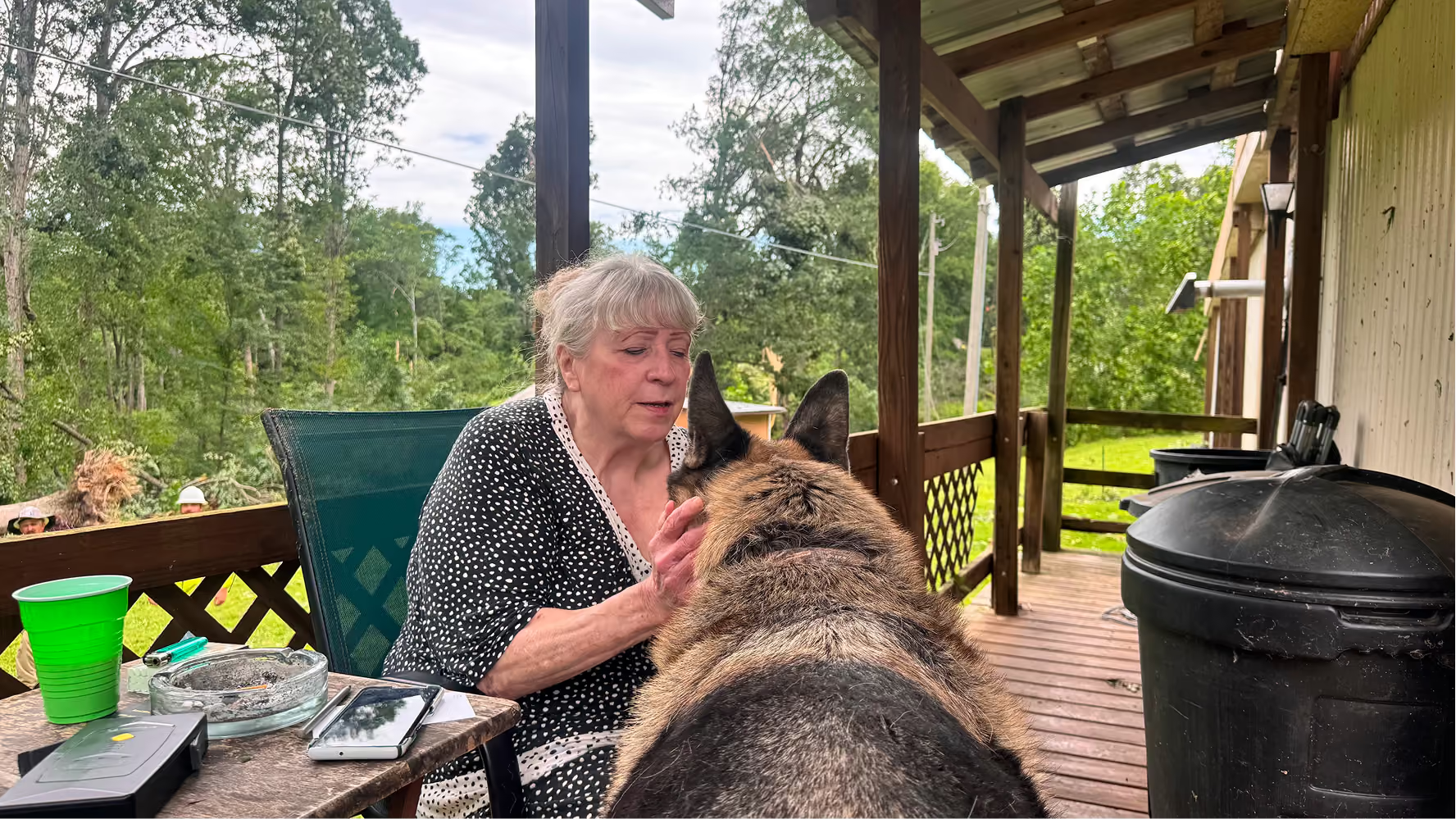
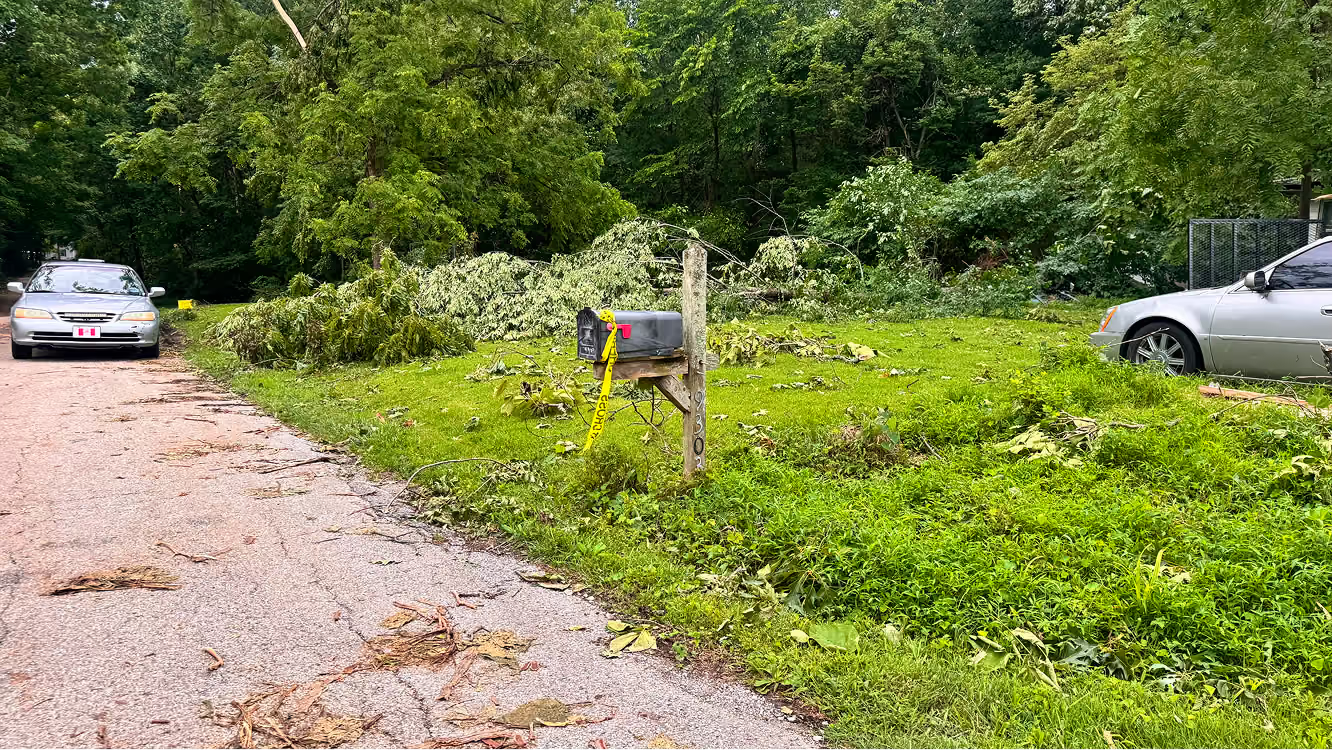
Sue McNeive heard what sounded like a roaring train on the night of June 17.
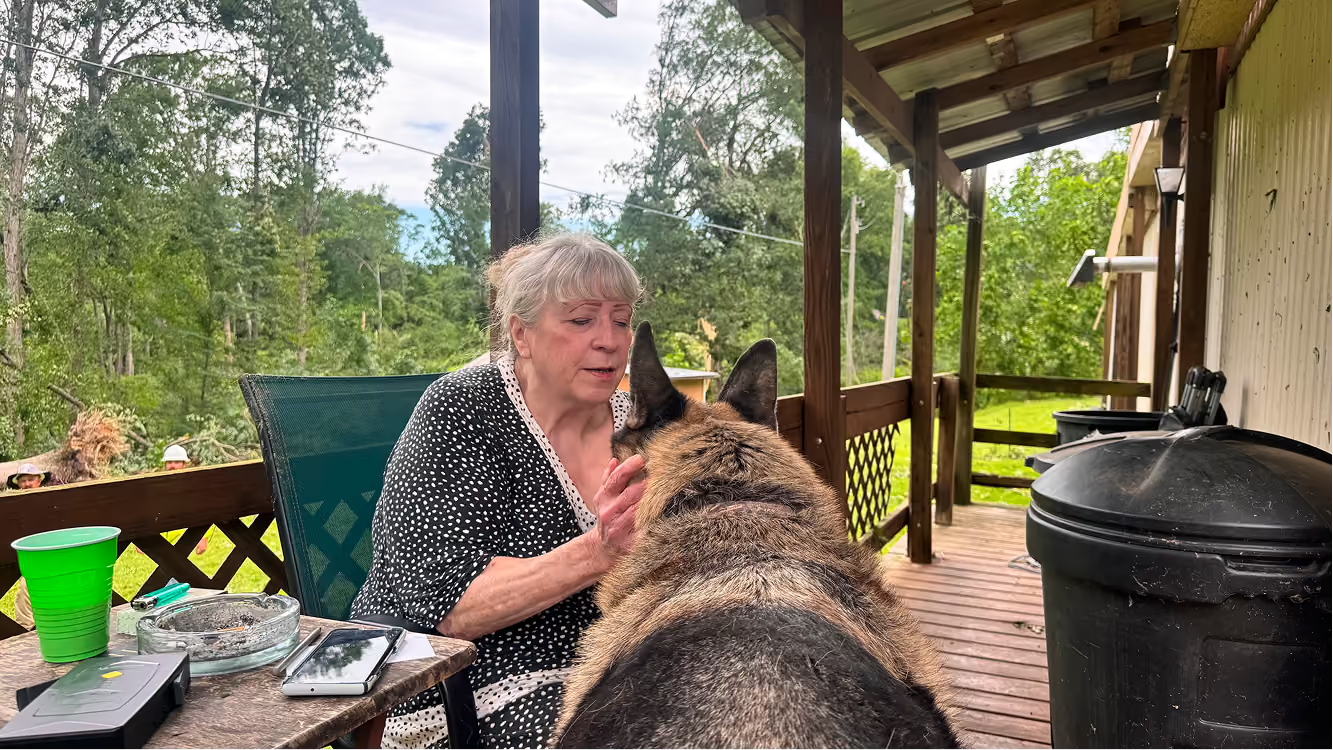
She sat on her reclining couch at her home on Buskirk Road in rural Gosport, surrounded by her four chihuahuas and German shepherd, Choco.
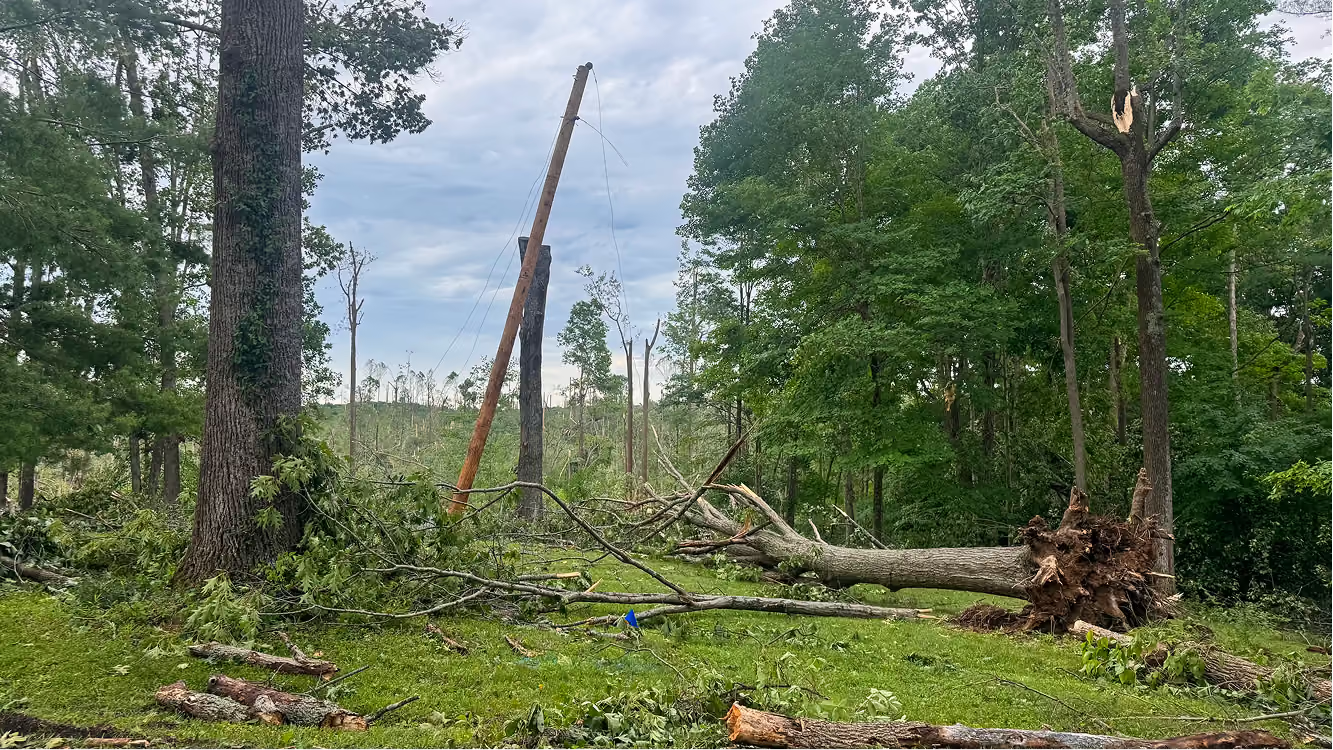
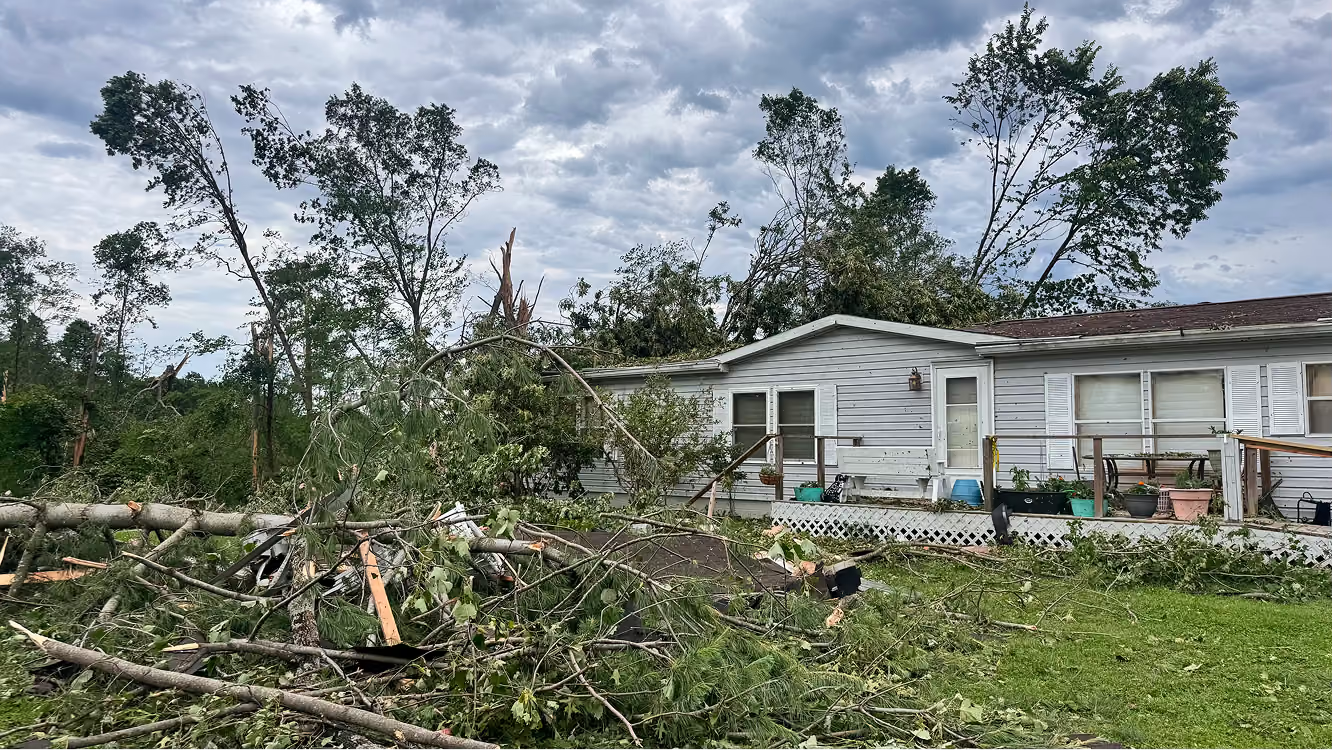
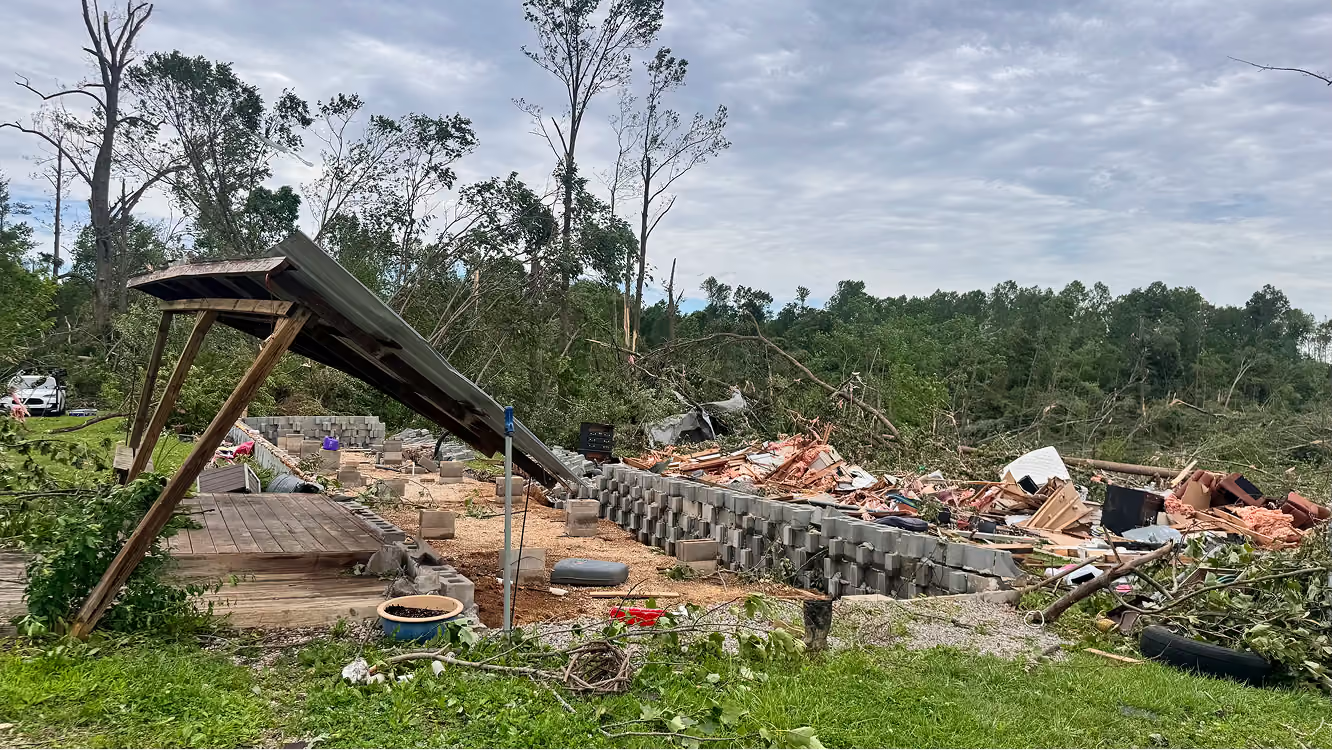
When an EF-3 tornado passed through Owen and Monroe counties, McNeive said the roughly 45 seconds it took the twister to rip the metal roof from her home and mangle her yard felt like an hour.
The National Weather Service determined the tornado, which traveled 18.5 miles and had a maximum width of 880 yards, was rated a three on the Enhanced Fujita (EF) scale, reaching 136 to 165 mph gusts of winds.
Just before the storm disconnected the woman's electricity, Choco laid his head on McNeive's feet.
"I heard trees falling around me, and I was so scared, I prayed to God," she said. "God was the only thing that saved us."
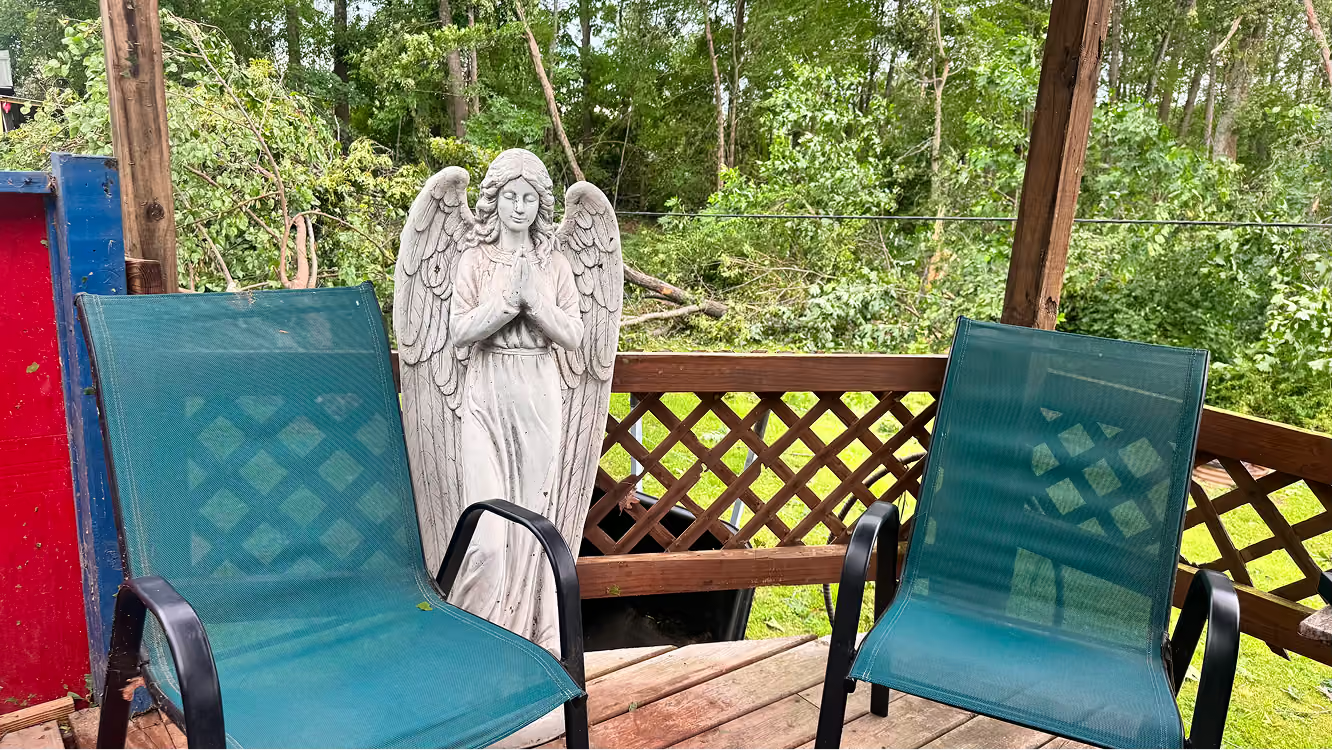
She couldn't sleep the rest of the night. For a while, she sat in the dark, frozen, terrified, before going to light an oil lamp and make sure most of her house was intact. In the morning, she emerged from the house. Her picnic table and chairs on the porch were scattered. The only thing remaining was a stone angel statue.
McNeive's husband, who died three years ago, had given it to her.
"I don't even know how I'm gonna move forward," she said.
She plans to stay in her home, and try to make repairs. McNeive's daughter set up a GoFundMe page to help her rebuild. As of June 26, it had amassed more than $16,200 in donations.
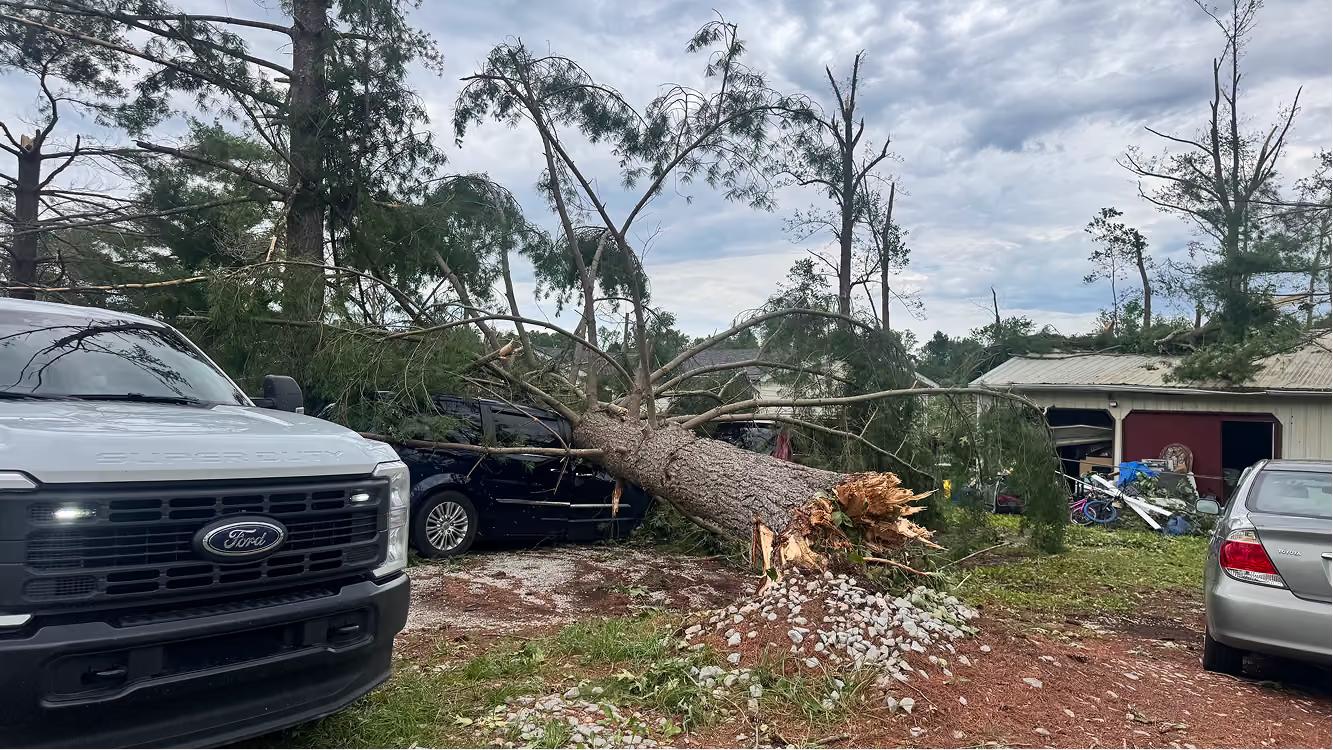
Not all of McNeive's neighbors will be able to fix their homes. Just down the road, a tree fell through the roof of a house, right where Mary Pence's former neighbor was hiding.
Pence and her husband moved from their Buskirk Road home 14 years ago, but remain close with their neighbor Carolyn.
Pence watched the news that night and realized a tornado was heading right toward Carolyn, who lived alone. She called her former neighbor, waking her just in time to seek shelter.
"She no sooner got in her closet, where she was sitting, then it hit her house," Pence said. "The tree came down through the closet she was sitting in and water was just pouring in."
Carolyn had lived in her home for more than 30 years, but the damage and the cost to fix it might be too much.
Pence and her husband came in the morning to help Carolyn assess the damage, secure her home and track down some of her belongings. Her detached garage was destroyed and the wind had swept her back porch to the front yard.
Amy Rice and Mike Fouts, with the American Regulators in Goshen, Ohio, arrived on the street at around midnight after the tornado passed through. American Regulators mobilizes volunteers to travel to disaster sites and provide search and rescue, disaster response and connect affected communities with recovery services.
Rice is an emotional crisis responder.
"As we go home by home, we do assessments, we're doing cleanups. I meet with the homeowners, and I talk with them," she said. "Most of what I do is listen. The biggest thing people need to understand, that are working with victims of natural disasters, is to listen to them, to let them tell their story."
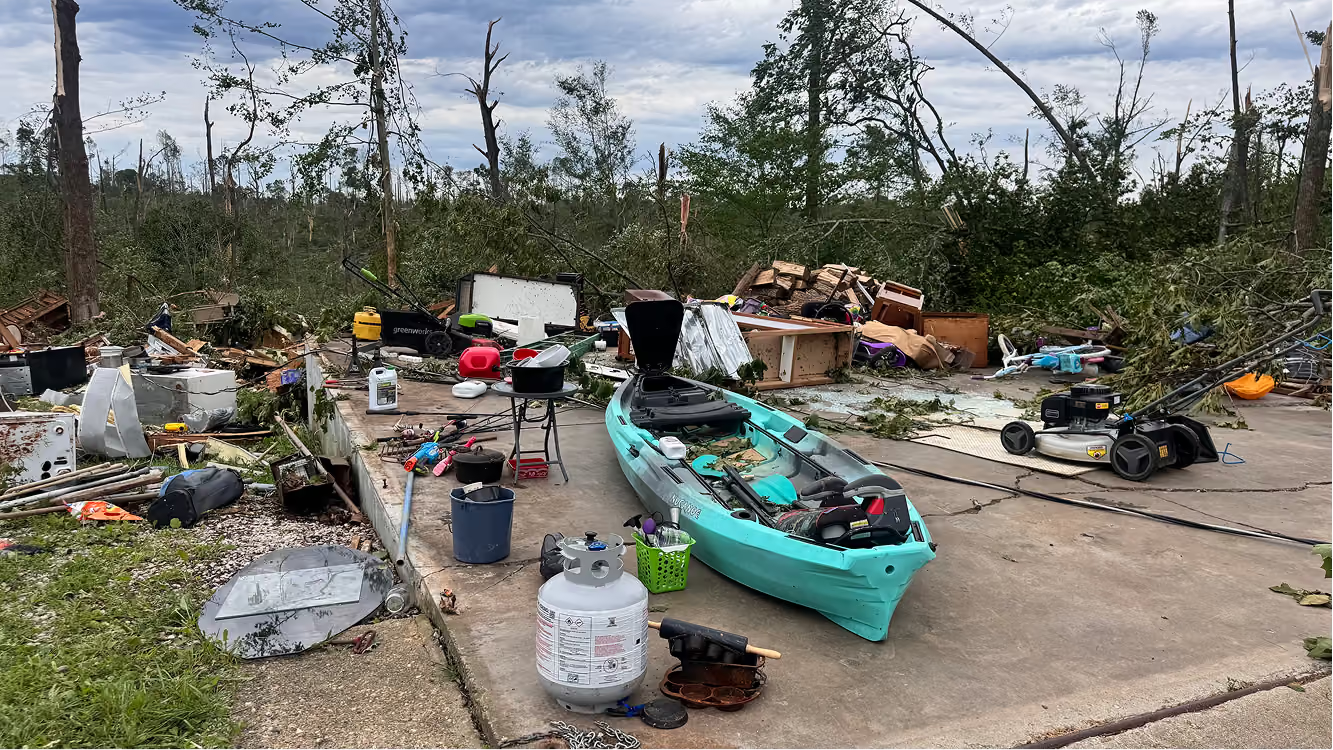
Another home was ripped from its foundation and scattered in pieces in the wooded area behind it. All that remained was a slab of concrete and the belongings salvaged from the yard, including a kayak, booster seat, lawn mower, fishing pole and Nerf gun.
Rice said she and the other volunteers were working to help get the residents totes for the recovered items and set up a storage unit while they start to move forward.
"We want them to understand that we are out here for them," Rice said. "We are not out here for any monetary give back. We're not out here to take them for anything. We are out here for the people. We are out here to help them, to care for them and to, in their time of need, to help them see what can be done, and get it done for them, so that they can start to move and take the first steps into recovery."
Fouts said the area was one of the hardest hit. The NWS initially dubbed the tornado as an EF-2 and had to end its survey of the damage in Monroe County at the entrance of the Morgan-Monroe State Forest due to the amount of tree damage preventing the team from traveling further.
The rest of the tornado's path was later surveyed by drones and found debarked hardwood trees near and east of Interstate 69, consistent with EF-3 damage. Satellite imagery also later showed tree damage spanning all the way to the Monroe County border.
The NWS also determined that night, three EF-1 tornadoes, which cause 86 to 110 mph winds, hit Jackson, Vigo and Clay counties. Seven tornadoes, ranging from EF-0 to EF-3, left damage in Illinois that night as well.
One Buskirk Road homeowner was taken to a hospital to recover from a hurt ankle, Rice said.
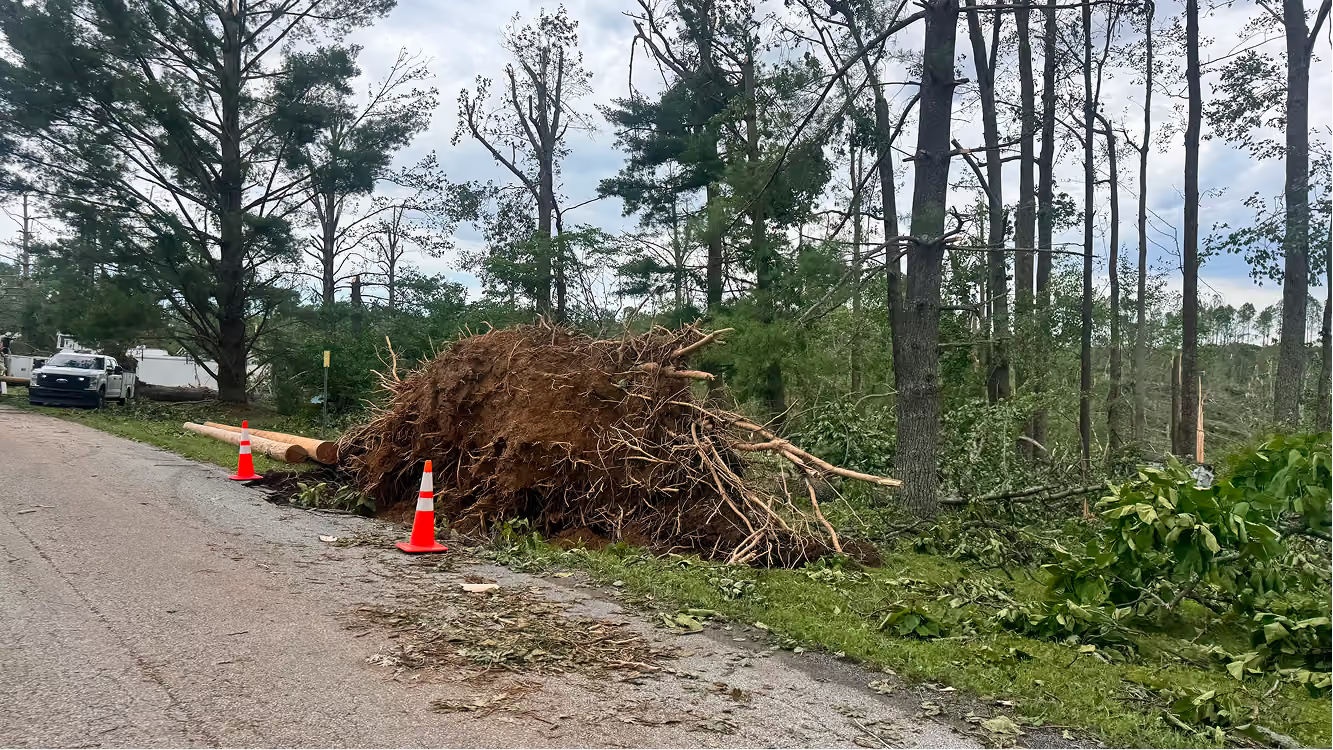
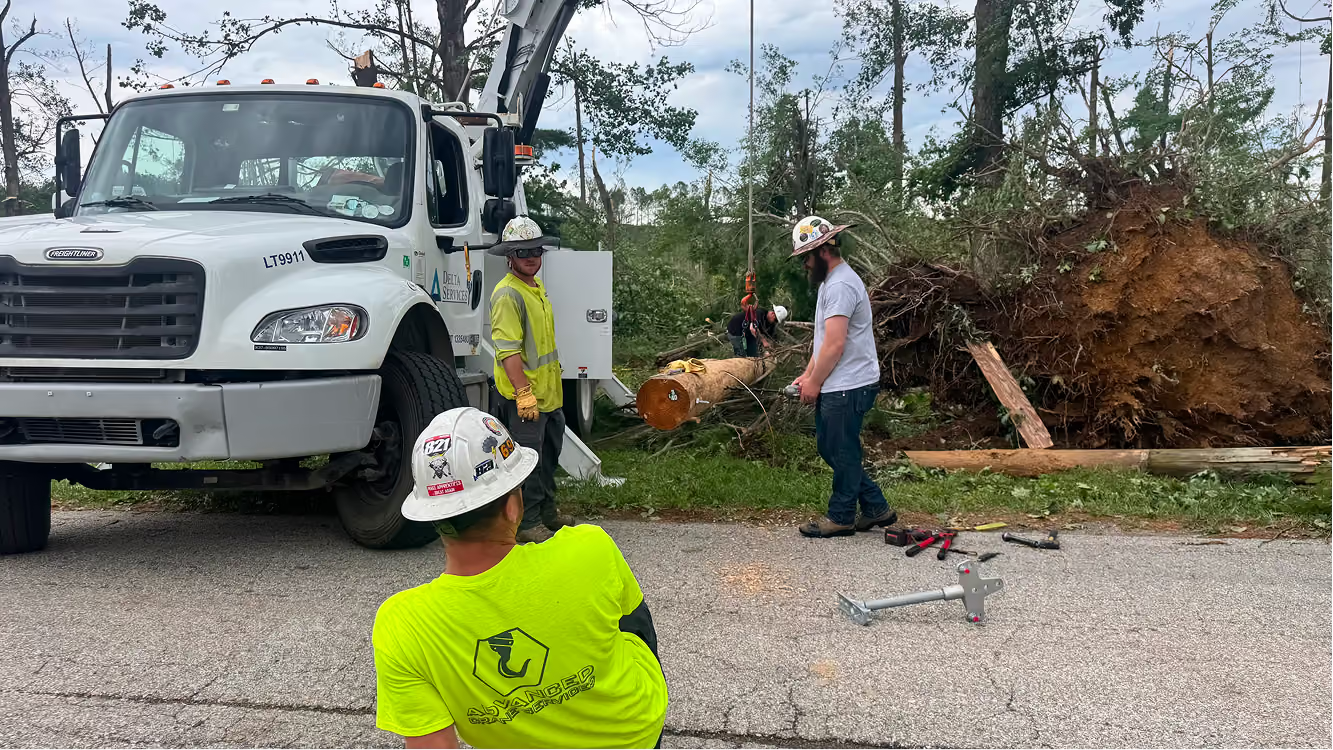
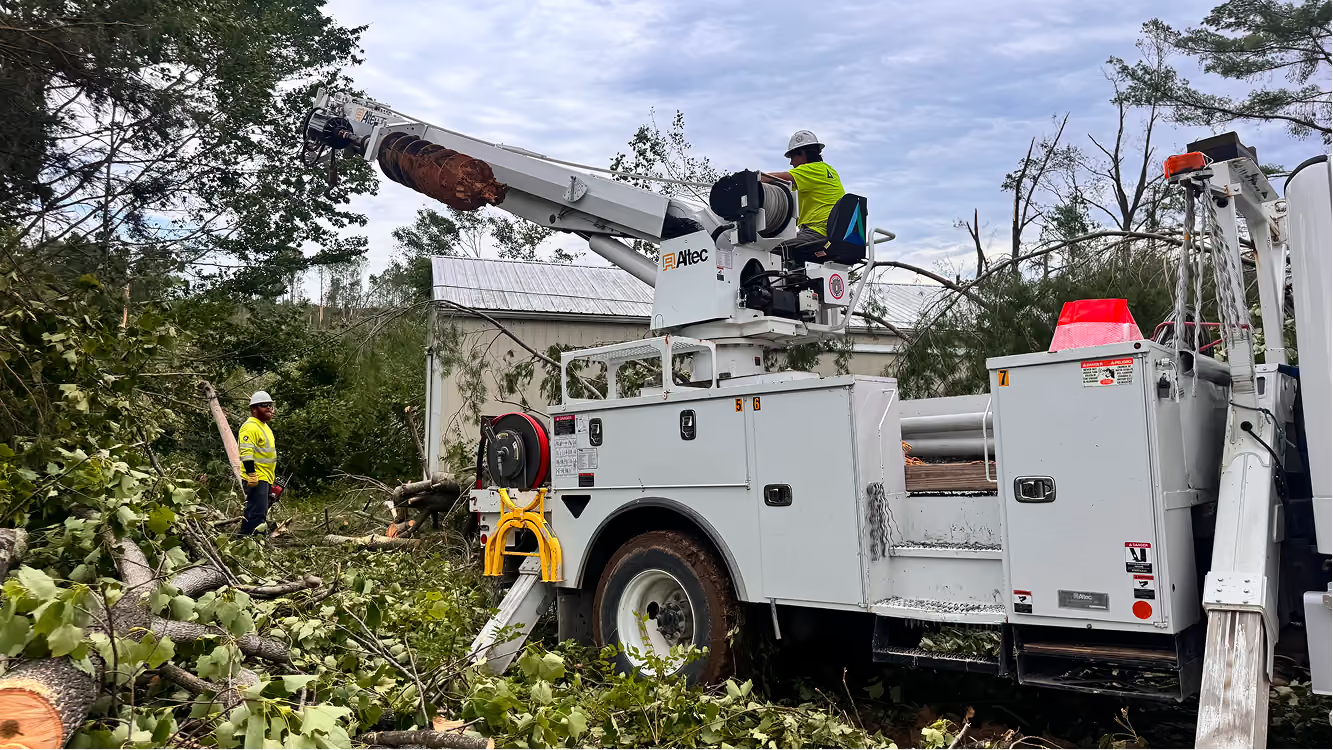
The American Regulators were joined by a wealth of lineman and disaster response workers the day after the storm, sawing trees, clearing debris and fixing power lines.
Owen County Emergency Management Agency Director Jack White said in an email that early damage assessments found most damage was to infrastructure caused by downed trees on power lines and roads.
"I know the power companies have been working hand in hand with the Owen County Highway Department to restore electricity and clear roadways," White wrote. "I have received reports of two dwellings with significant damage."
White encouraged anyone with damage to call 211, the system county residents can use to report damage.
On June 19, Indiana Gov. Mike Braun issued a state of emergency for 63 counties due to the severe weather, flooding, tornadic activity and derecho impacting the state between June 9 and 18. The state also opened its disaster relief fund for individual assistance for eligible applicants.
A couple days later, on June 21, tornado and severe thunderstorm warnings were issued for northeastern Owen County. The NWS reported based on survey damage, an EF-0 tornado caused tree damage near Patricksburg. It had peak winds of 80 miles per hour, a track length of 0.9 miles and a maximum width of 25 yards.