C.A.R.E. brings recovery, first responders together


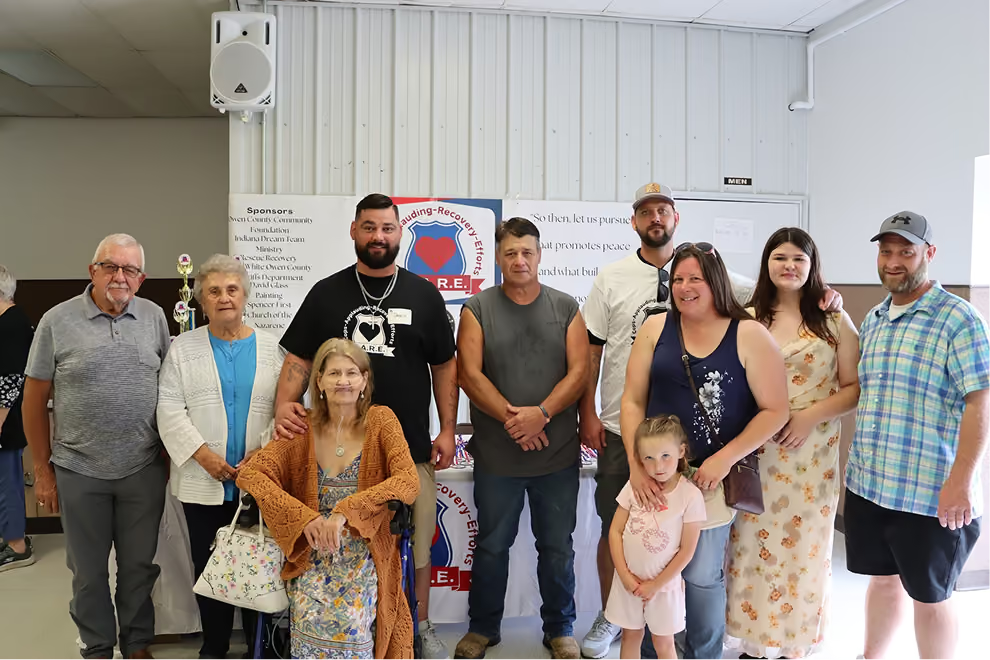
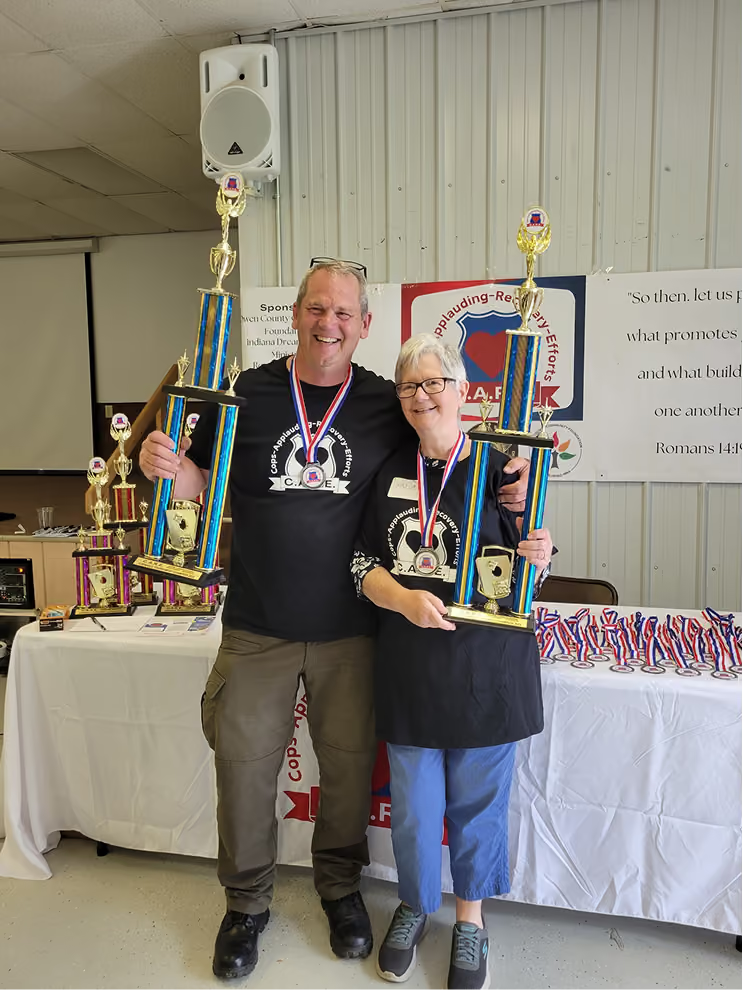

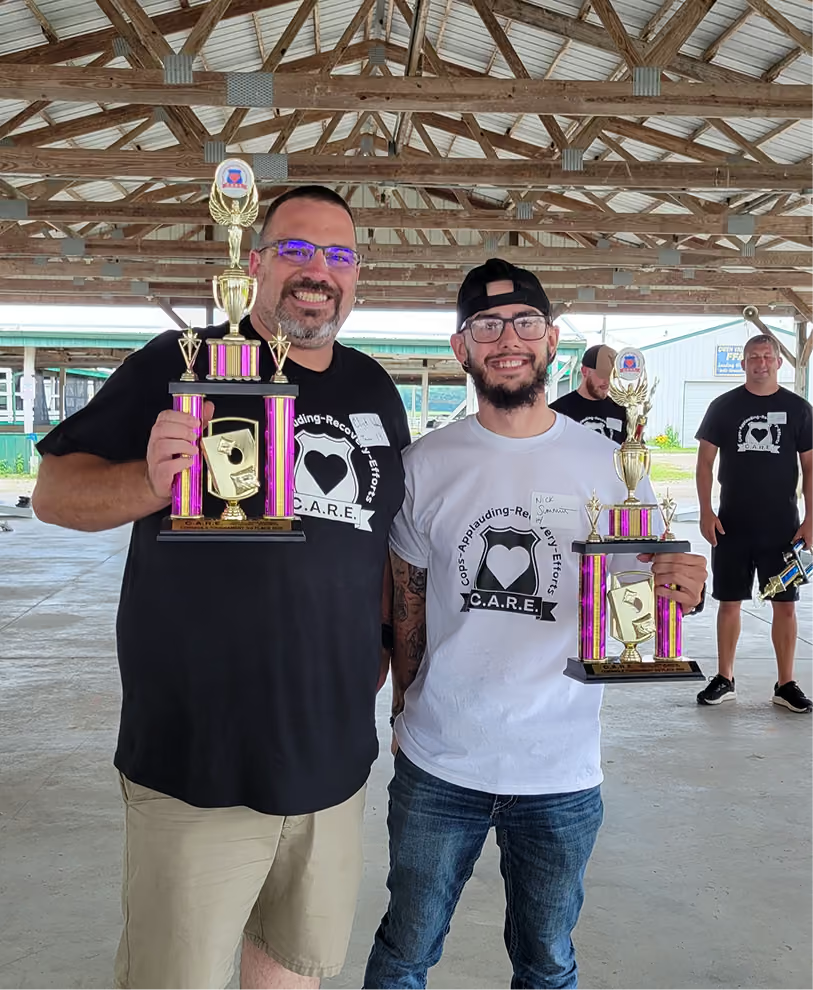
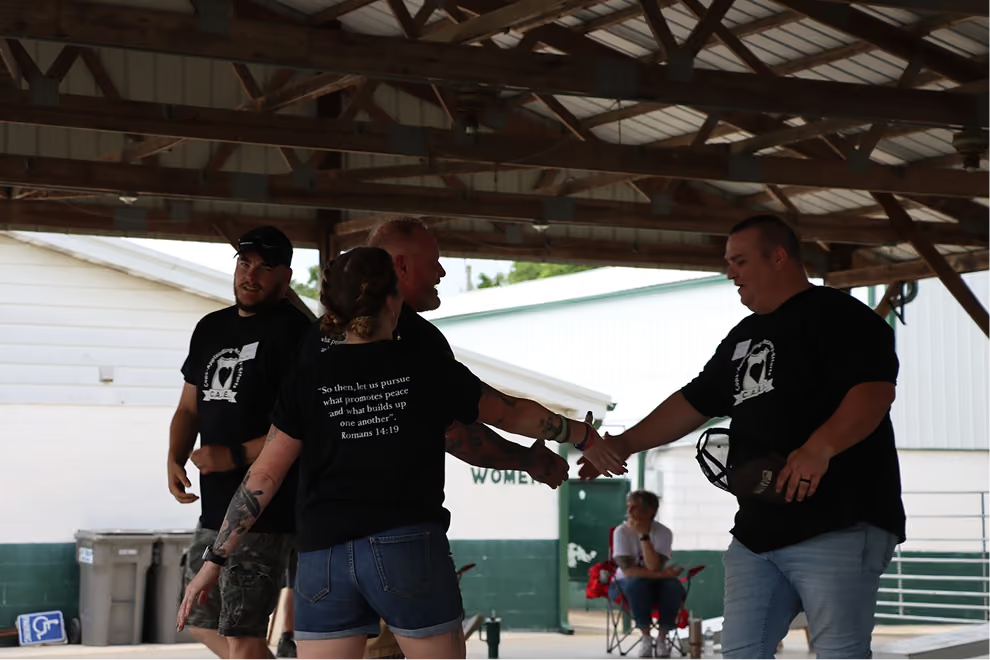
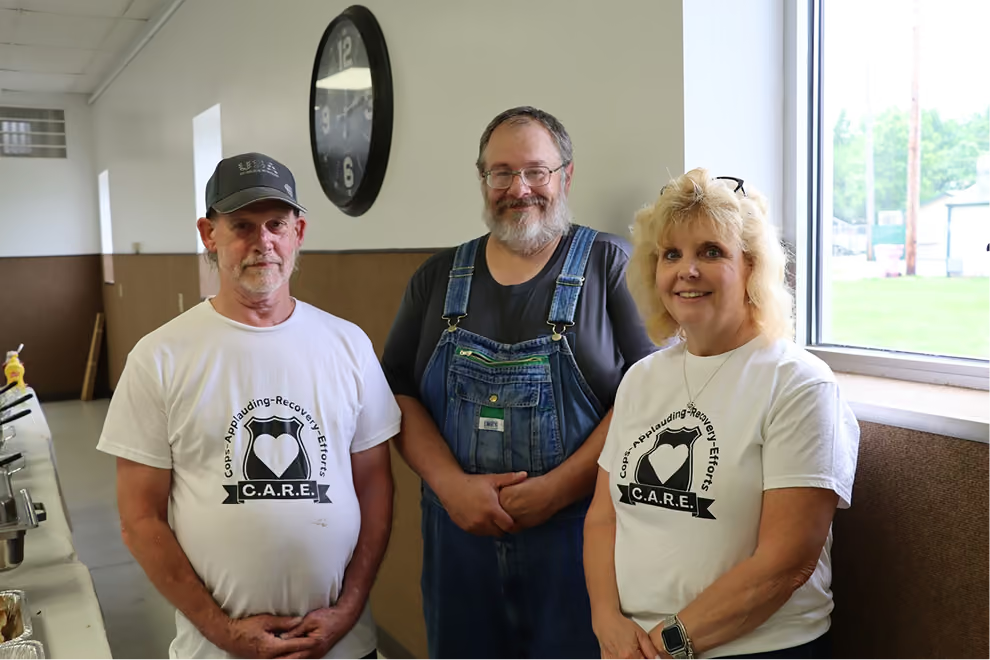

When C.A.R.E. started two years ago, it was with a basketball tournament and as Cops Applauding Recovery Efforts. The tournament took place over several weekends.
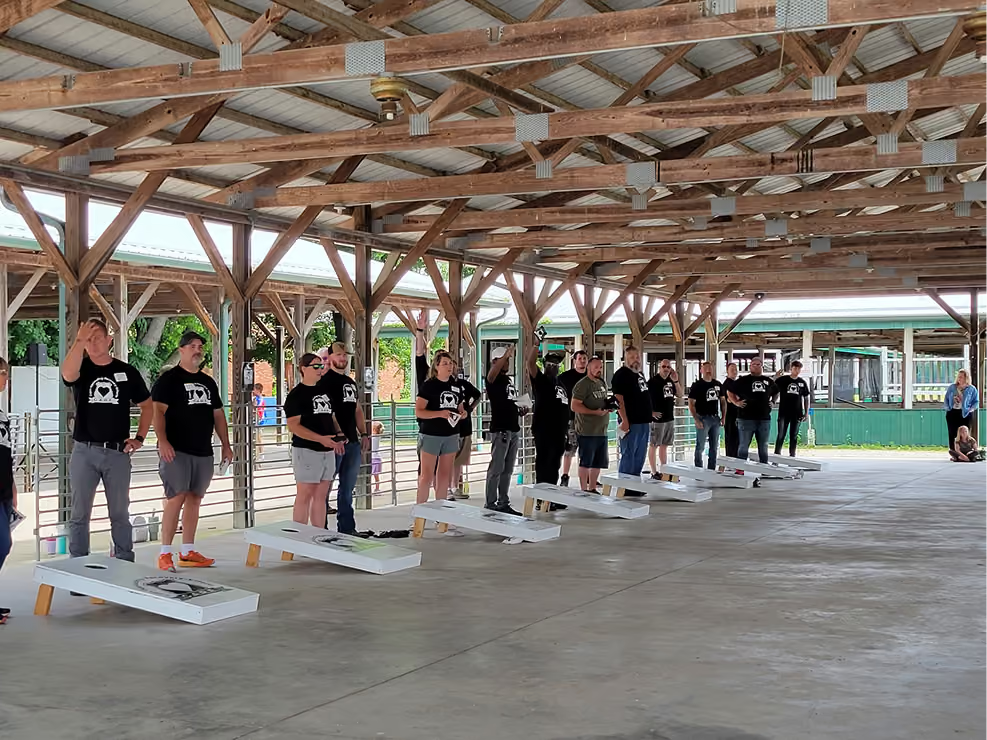
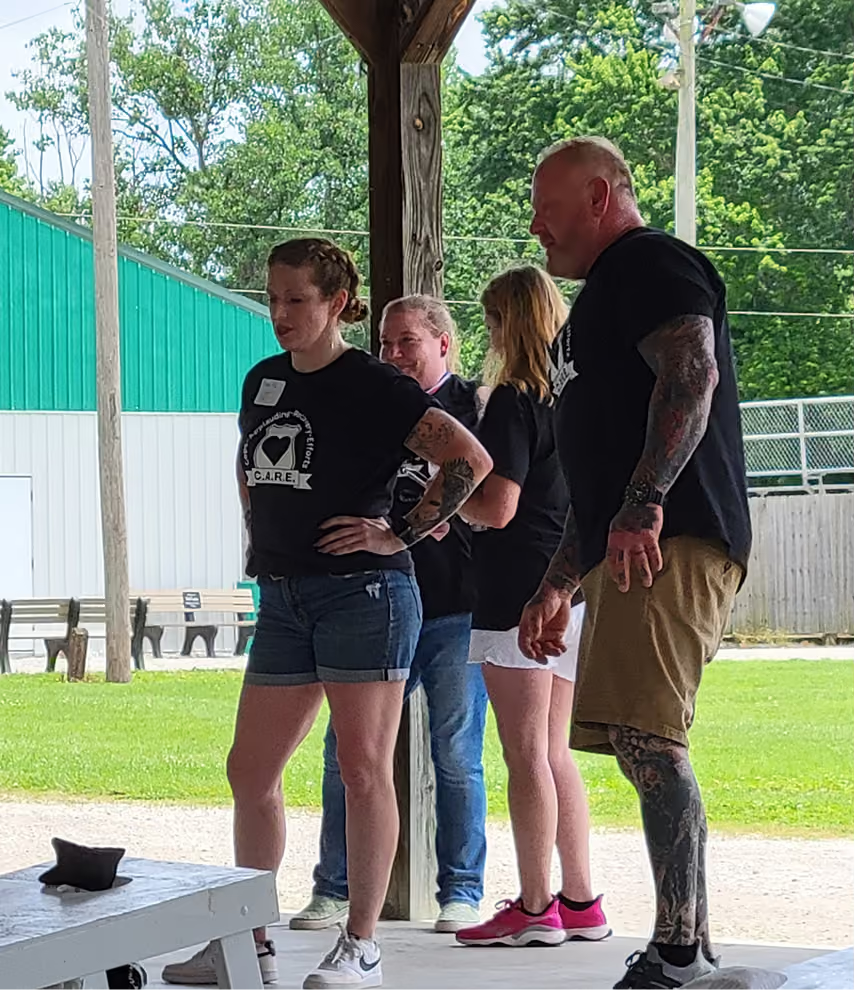
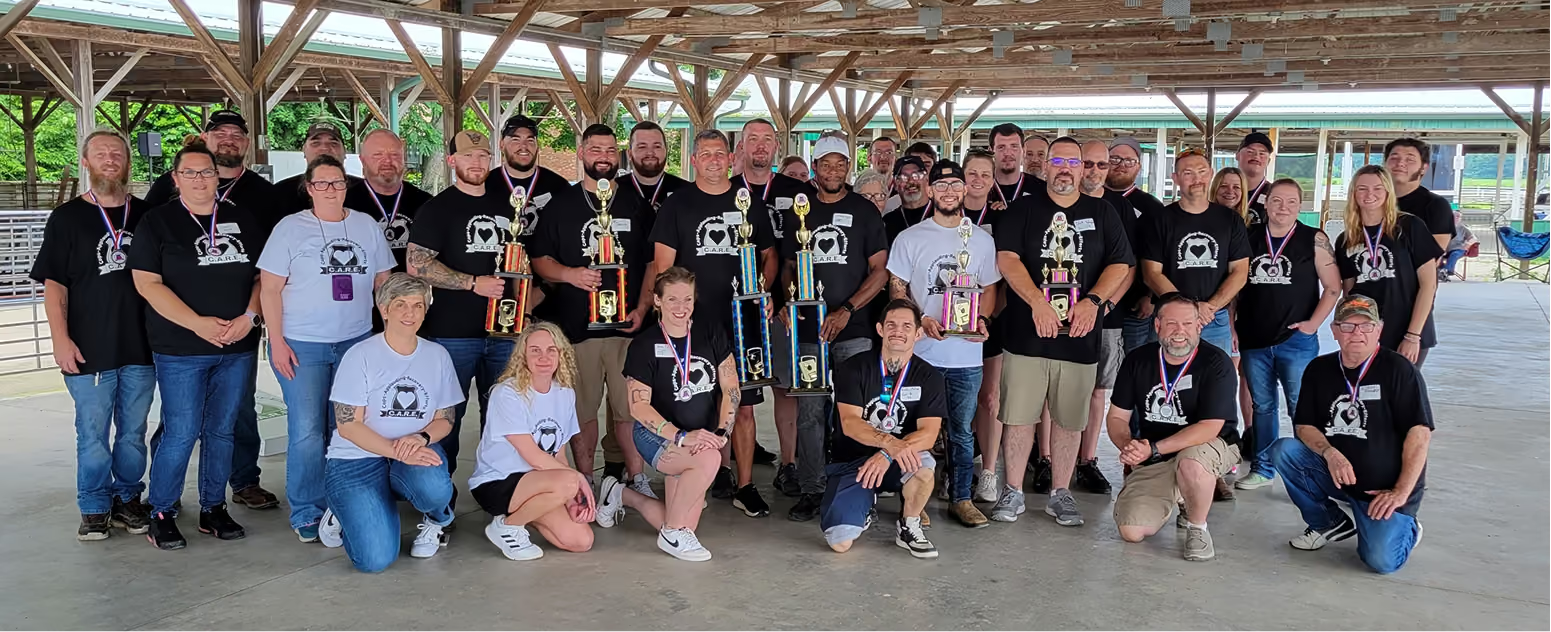
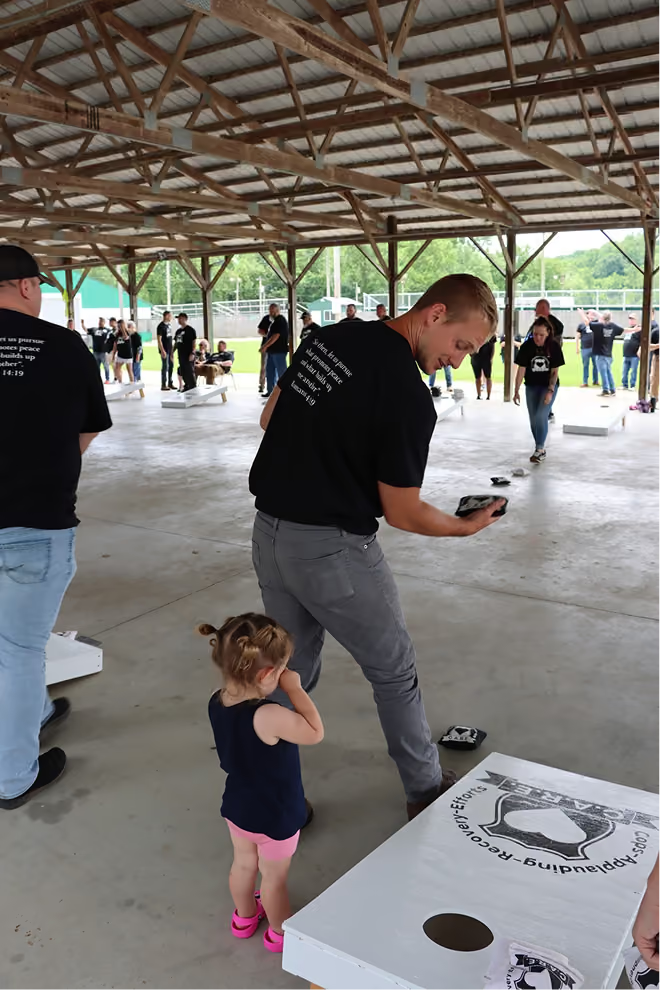
Last year, the event shifted to a cornhole tournament to ensure it could be done in one day and that everyone who wanted to participate could do so. It meant that 42 teams participated.
And now, as the planning team prepares for the third annual event this month, another change is being made in the name, changing the word cops to community. They’re also increasing the number of teams to 50.
While the logo hasn’t yet been updated, it’s not hindering Owen County Sheriff’s Department officer Bill Browne, who is one of the organizers and a driving force behind the program, from sharing the change or the mission of the program.
“I tell everybody cancel the C for cops, put the C for community,” he said.
Now, there are other first responders and individuals who come in contact with those fighting addiction involved in the teams. Some of those groups include firefighters, EMS, dispatchers, jailers, nurses and even tow truck operators who those now in recovery might have had a negative experience with while in active addiction.
Browne, who has worked in law enforcement for 40 years, currently leads the D.A.R.E. or Drug Abuse Resistance Education program and the new criminal justice pathway at Owen Valley High School. When he isn’t teaching elementary and middle school D.A.R.E. or otherwise in a classroom, he also serves as another School Resource Officer.
Throughout his time in law enforcement, he’s seen how the job can wear on officers, impacting their attitudes surrounding the people and communities they serve, especially with those in active addiction.
“It does become wearing on us, almost like all of our efforts aren’t ever achieving the goal. The goal is to rid our communities of something that’s hurting our people,” Browne said.
This, he said, leads to something dangerous in the way officers approach their work — cynicism.
“A police officer’s got to fight against cynicism, or you start not working with people. You start working against; you’re working for the crime. You want the crime to be resolved, but you’re not worried about the people,” he said. “These are real people, with real struggles, with real problems, that come from real struggles in their lives that have led them down this pathway. When you can open up that and start to see their personality and their worries and their concerns and all of those things, your cynicism goes away.”
And at the same time, sometimes those in recovery have negative feelings and cynicism toward cops and other first responders based on interactions they had before recovery.
It’s the cynicism on both sides that Browne hopes to address with the event by cheering for those in recovery, supporting their efforts and making them feel seen, all while breaking the stigma.
Browne said officers can hold people accountable while also encouraging recovery.
“I gotta stop you from the bad stuff that’s going to hurt your body, that’s going to hurt your kids, it’s going to hurt your ability to become successful. I got to stop you first. That’s why I made the arrest in the first place. But if I’m going to be your biggest supporter, if you show any effort toward going to sobriety, I should be clapping,” Browne said. “As much as I am discouraging you from using it, I am encouraging you when you’re not.”
For Browne, it is about making the community stronger.
“A community that is strong is one that helps one another,” he said.
Browne also acknowledged that the struggle for those in recovery never truly goes away.
“The struggle will always be real because they know what it’s like to numb up and not have to deal with the realities,” he said. “We should be applauding every one of those efforts, and we should be screaming as loud as can be.”
That being said, he was clear that he can’t applaud active addiction, but he can encourage a return to recovery.
“You can’t find somebody who hasn’t made mistakes, and letting me go from those, showing me kindness and forgiveness and applauding my good efforts, that’s how we become a community that loves one another,” he said. “And then if your police don’t love people, it’s a bad place to be, right? So starting with us and trying to get that mindset into these young officers, as well as the guys that have been around for a while, and saying we need to start loving our people. We start loving our people, our community gets better.”
Browne first came across the idea for the program while working as a conservation officer. The statewide agency wanted to do something under then-Governor Eric Holcomb’s pillar of addressing the opioid epidemic. A deputy in Howard County tried the program, but it didn’t succeed due to a lack of promotion and insufficient volunteers to get it going.
For Owen County, there is a team of organizers and supporters of the program, and those support systems have existed since the beginning, which is how local business owner Katherine “Kat” Dennison became involved with C.A.R.E.
In the first year, knowing that her talent was not on the basketball court, she helped her church provide dinner.
“My gift is going to be in the kitchen, so I helped with our church and did the dinner for it,” she said.
She also became part of Owen County DART or Drug and Alcohol Resource Team and is now part of the planning team.
“This event is about replacing the stigma with support and showing those who are fighting addictions that they don’t have to fight alone, that there’s a peace that comes from the Lord through His people, through mercy of our Town of Spencer and our county, that we’ll stand with you and beside you and help build you up, that every person standing in recovery is a miracle of perseverance, grace and second chances in our community. It’s filled with a network of people that can help give addicts and those who have recovered a pathway to walk alongside one another, including those of the badge,” Dennison said. “You know there’s a lot of hate and anger that goes to everyone who’s involved whenever we get in trouble, but then the whole point is to take away that fear of knowing that all those people are doing their job.”
She said there’s beauty in bringing the two groups together.
“To be able to kind of bring those who were there during your darkest days, they want to be able to see you and your brightest day, see you in recovery,” she said, something that she calls recovering out loud.
Browne and Dennison alike would like to see the event grow not only in Owen County but within other communities.
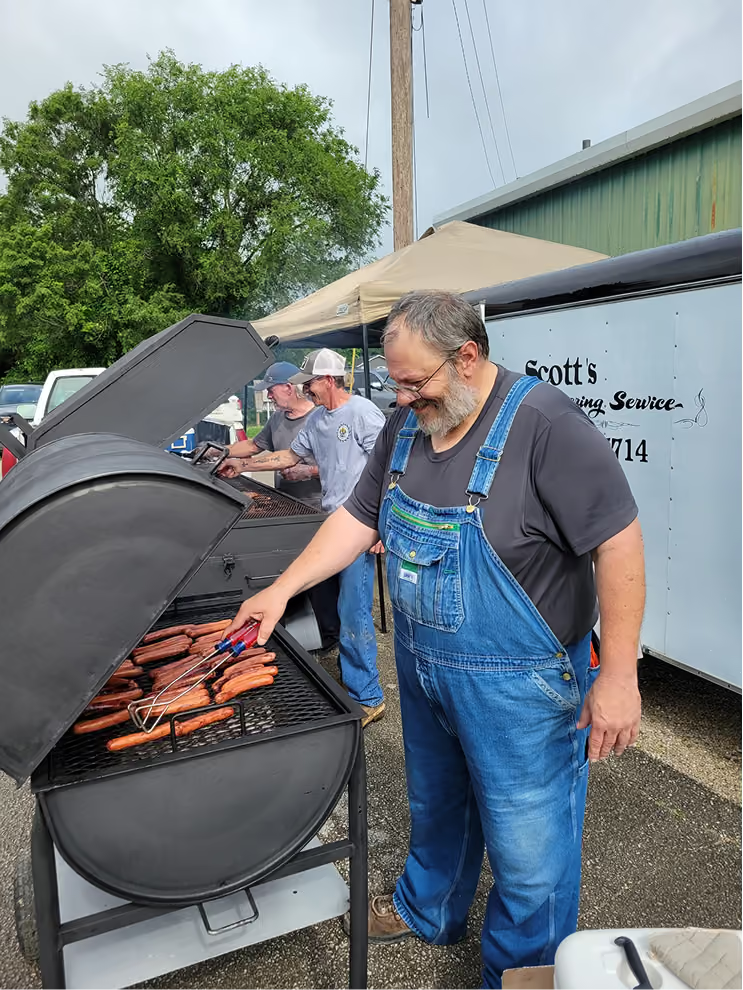
The event, which will take place at noon on June 13 at the Owen County Fairgrounds, is supported through DART this year. Participants will receive a t-shirt and a medallion, and food will be provided for those participating in the contest. It will also feature speeches from Rex Nichols and Sheriff Ryan White.
Those wanting to support the program financially can do so by making a donation to DART using a link on its Facebook page, indicating that the donation is for the C.A.R.E. program.
For Dennison, the switch to a cornhole tournament reminds her of her own recovery journey. She celebrated seven years of recovery in March after 12 years of addiction to meth, heroin and opioids.
Her recovery journey started with moving back home to Owen County and finding her faith after going to church.
And the entry point? Ironically, it was also a cornhole tournament that her church was hosting, where she was accepted as she was. She then started attending church.
“I don’t know if it’s about cornhole tournaments or what, but there’s just something about whenever people come together,” she said. “It’s a lot of magic that happens there.”