COLUMN: Driftwood Outdoors: More access means more opportunity for sportsmen

In today's political climate, it can be hard to know if legislation is good or bad for what we care about.
One side tells us a bill would be the best thing to ever happen for your issue, while the other side tells you the sky will fall if it were to pass. As far as conservation legislation goes, I look to see where the Association of Fish and Wildlife Agencies (AFWA) falls on the issue.
The U.S. Fish and Wildlife Service (USFWS) proposed a new rule in May that I wasn't sure I could trust.
The rule summary states: "We, the U.S. Fish and Wildlife Service, propose to open or expand hunting opportunities on 111 field stations, including 107 units of the National Wildlife Refuges System (Refuge System or NWRS) and 4 units of the National Fish Hatchery System (Hatchery System or NFHS). This includes opening hunting or sport fishing opportunities for the first time on 14 National Wildlife Refuges (NWR) and three National Fish Hatcheries (NFH). The proposed actions will open or expand more than 1,450 opportunities for hunting and fishing across the NWRS and NFHS. In accordance with Secretary's Order 3447 and Director's Order 233, we also propose to make changes to existing station-specific regulations in order to improve the clarity and accuracy of regulations, reduce the regulatory burden on the public, ensure consistency across FWS lands and waters, and comply with a Presidential mandate for plain-language standards."
It sounded good on paper, but I was scared I might be missing something. Then AFWA issued a press release announcing, "The Association of Fish and Wildlife Agencies applauds the Department of the Interior and the U.S. Fish and Wildlife Service for the proposed opening and expansion of hunting and fishing opportunities within the National Wildlife Refuge System (NWRS) and National Fish Hatchery System (NFHS)."
Perhaps the biggest challenge facing hunters and anglers today is finding a place to go. With leases locking up most prime private ground acreage, which is forcing a swell of public land use, there is little hope for newcomers to find an affordable place to hunt. And elites continue to try and privatize our rivers and streams. So to open up federal public land and water access under the watchful eye of the USFWS is a good move. As long as sound conservation remains the focus and the fish and wildlife don't suffer.
The proposal includes language about simplifying regulations to better match the fish and wildlife laws of the states where they are located. This point may be secondary, but it matters. As someone who has successfully hunted in 40 states, two Canadian provinces, two Mexican states and South Africa, I can tell you, fishing and hunting laws are confusing. Especially if you travel to hunt. A concerted effort should be made to simplify regulations and make them more universal.
Season dates, legal methods, bag limits and equipment requirements vary from state to state, and often from unit to unit within each state. On top of that, federal regulations don't line up with state rules. It breeds confusion. I argue for following our game laws and actively support conservation law enforcement for the work they do to protect our wildlife and wild places, but we could make their jobs easier.
As far as hunting and fishing on these new or expanded public lands, the proposal reflects the success of the North American Model of Wildlife Conservation, which is the most successful wildlife management system in the world. Built on the principle that wildlife belongs to all citizens, not private landowners or government officials. The model relies on science-based management and sustainable harvest to maintain healthy wildlife populations.
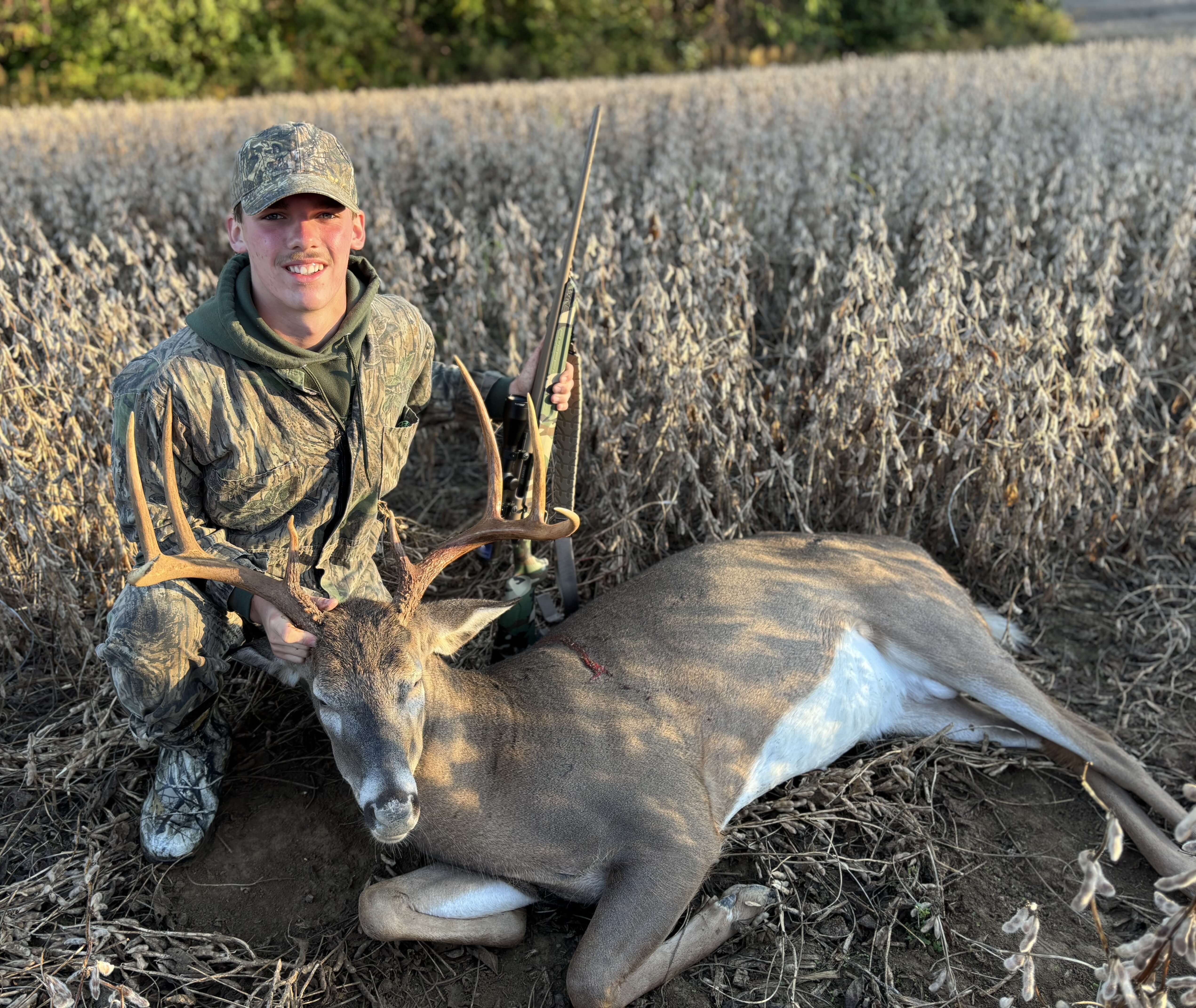
Hunters and anglers are central to the model's success. Through the purchase of licenses and excise taxes on firearms, ammunition, archery equipment, fishing tackle and marine fuel, billions of dollars have been generated for habitat restoration, wildlife research and public access. The remarkable recovery of species such as white-tailed deer, wild turkey, elk and waterfowl stands as proof that conservation works when science, sound management and sportsmen work together.
State fish and wildlife agencies are the primary managers of wildlife populations. Biologists in those agencies spend their careers studying local habitats, monitoring wildlife numbers and setting seasons to balance opportunity with conservation. Federal lands exist within states. Successful management depends on cooperation between state agencies and the federal government. These partnerships have made North America the envy of the world for wildlife.
Opening additional acres won't come without some challenges and unwanted occurrences. However, the important point here is more Americans having opportunities to enjoy the public lands that already belong to them. It sounded good to me at first, then AFWA confirmed my suspicions. Conservation depends on participation. Many participated in creating this rule, so many may participate in the outdoors. Sounds good to me.
See you down the trail...
Driftwood Outdoors, check out the podcast on www.driftwoodoutdoors.com or anywhere podcasts are streamed.


%202.avif)