COLUMN: Driftwood Outdoors: Wildlife refuges offer more places to hunt and fish

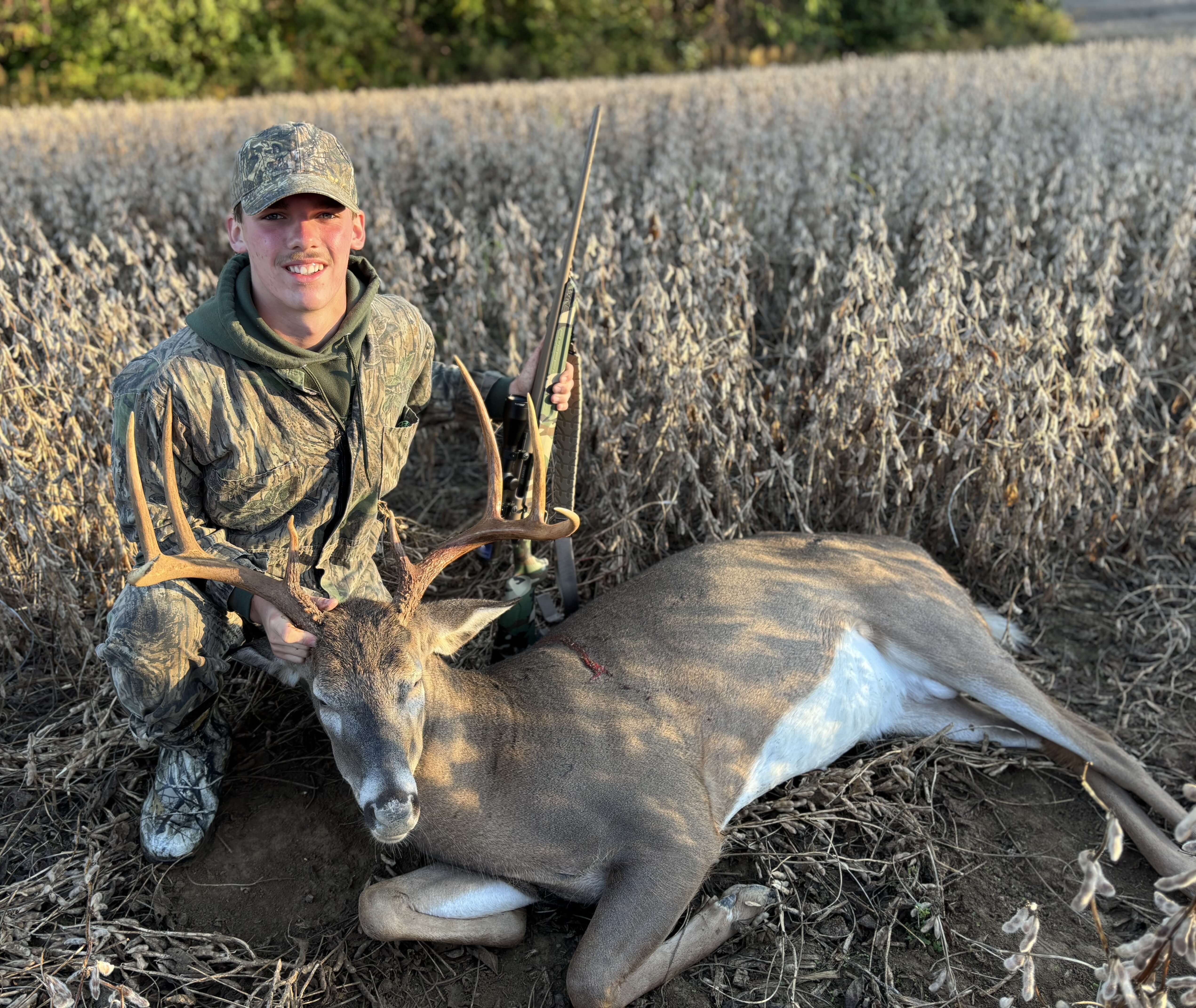
One of the biggest challenges facing hunting and fishing today is access. It doesn’t matter how interested someone is in becoming a hunter or angler if they don’t have a reasonable place to go. Certain parts of the country have enormous swaths of public land, and some don’t have much at all. More public opportunities have been needed, and the federal government just acted on it. Once implemented, more than 92 million acres of the National Wildlife Refuge System will be available for hunting. That represents more than 95 percent of the system.
The Department of the Interior claims to have just completed the largest expansion of hunting and fishing opportunities in the history of the U.S. Fish and Wildlife Service. The new rule will add 1,488 hunting and sport-fishing opportunities at 111 Fish and Wildlife Service locations across 32 states. Those include 107 national wildlife refuges and four national fish hatcheries.
The Association of Fish and Wildlife Agencies, which represents state fish and wildlife agencies across North America, applauded the announcement.
“Hunting and fishing are vital conservation tools that connect people to nature while sustaining wildlife, habitats, and local economies,” said Paul Johansen, Chief of the Wildlife Resources Section at the West Virginia Division of Natural Resources and Association President. “As primary managers of these resources, state fish and wildlife agencies are essential partners in delivering responsible, science-based opportunities tailored to local communities.”
A strong partnership between federal and state wildlife managers is essential. Wildlife doesn’t recognize property boundaries. So, when a deer walks from private property onto a national wildlife refuge, it doesn’t change ownership. It always belongs to the citizens of the United States. Regulations, however, do recognize boundaries.
Hunters and anglers sometimes face different rules depending on who manages the land beneath their boots. Something legal under state regulations may be prohibited on neighboring federal property. For experienced sportsmen, navigating these differences can be frustrating. For someone just beginning to hunt or fish, it can be enough to discourage participation altogether.
Having more regulations aligned between state and federal agencies makes management more effective and the public more satisfied. Successful wildlife management requires cooperation among federal agencies, states, private landowners and conservation organizations. The new rule attempts to address some of that confusion by updating regulations at individual federal properties and better aligning them with state hunting and fishing regulations.
“We appreciate this latest expansion of opportunities, and also the directive from USFWS Director Brian Nesvik to ensure consistency between federal and state hunting and fishing seasons and regulation,” Johansen added. “Lack of access, opportunity and regulatory complexity have been identified as barriers for those looking to participate in hunting and fishing. This rule and efforts to work collaboratively with states will help to facilitate increased participation by both seasoned and novice hunters and anglers.”
For years, the outdoor community has talked about recruiting, retaining and reactivating hunters and anglers. It’s called R3. We have programs designed to introduce kids to fishing. Organizations host mentored hunts. State agencies have youth seasons and spend significant resources trying to convince people to buy licenses and participate. Those efforts matter, but most important is ensuring those people have places to go.
Many longtime hunters grew up with access to a family farm, a neighbor’s property or a local piece of ground where permission was relatively easy to obtain. Those days are gone for most Americans. Land ownership has changed. Leasing is the norm. Development continues to consume habitat. In many places, gaining access to quality hunting ground has become increasingly difficult and expensive.
Public land helps fill that void. But it, too, is becoming overcrowded. As private land access shrinks, public land becomes the only option. National wildlife refuges were created first and foremost for wildlife conservation. Hunting and fishing must remain compatible with the biological purposes of individual refuges. But where those activities can responsibly occur, sportsmen should have access. It’s great to see hunting being used as a tool for conservation.
Hunting and fishing are both part of the North American Model of Wildlife Conservation. Our unique system has successfully restored countless wildlife populations. Hunters and anglers fund conservation through licenses, excise taxes and direct contributions. Participation creates personal connections to wildlife and wild places, and in many people, a desire to give back.
The Association of Fish and Wildlife Agencies says the rule should be published in the Federal Register before this year’s hunting season. Opening more land is a good start. Making regulations easier to understand is another. If we want future generations to care about wildlife conservation, we need to give them opportunities to participate in it. At the core is providing the next generations with places to hunt and fish.
See you down the trail…
For more Driftwood Outdoors, check out the podcast on www.driftwoodoutdoors.com or anywhere podcasts are streamed.


%202.avif)